
What Should I Look for in a Professional Lawn Care Service?
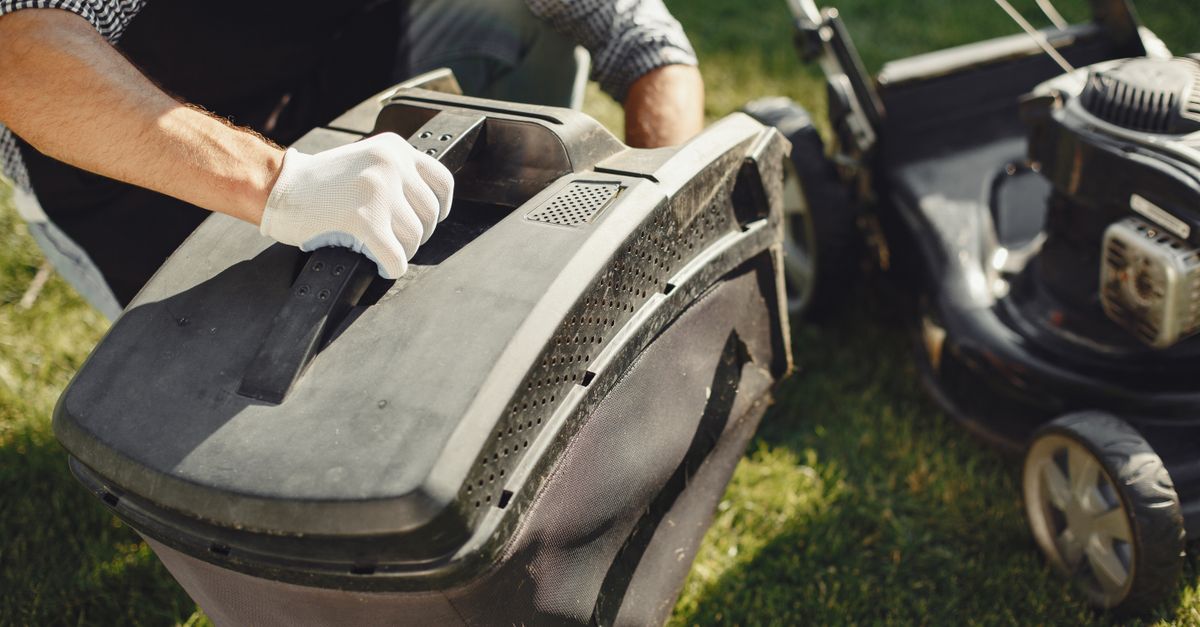
When evaluating lawn care options, aim for a provider that delivers reliable results without complicating your schedule. Focus on coverage, timing, environmental impact, and how well they serve property managers handling multiple sites.
Why Professional Lawn Care Matters for Your Property
A seasoned crew ensures consistent mowing heights, nutrient schedules, and pest control across all properties. In my experience, in‑house crews often miss seasonal nuances; outsourcing brings scalable expertise.
Healthy turf cuts long‑term maintenance costs by reducing erosion, weed invasion, and water loss while boosting curb appeal for tenants or clients.
A single home may need simple mowing, but an apartment complex demands coordinated service across varied grass types. Professional care tailors attention to each site, preventing uneven wear that triggers costly repairs or complaints.
Components of a Complete Lawn Care Package
A reputable package covers every turf health aspect—from mowing to irrigation. The standard framework includes:
Key Elements in a Comprehensive Service
- Mowing and edging on schedule.
- Seasonal fertilization guided by soil tests.
- Pest/disease monitoring with preventative treatments.
- Irrigation assessment to avoid over‑watering.
- Aeration, overseeding, or dethatching as needed.
- Post‑storm debris removal and safety checks.
Listing these items guarantees a truly “complete” service.
Mowing and Edging: The Foundation of Turf Health
Crews use sharp blades set to the recommended height—2.5–4 inches for cool‑season lawns, 1–2 inches for warm‑season types. Cutting too low exposes roots; too high encourages thatch. Edge work along sidewalks and beds prevents weeds and adds polish.
Seasonal Fertilization: Science Meets Practice
A soil test identifies pH, NPK levels, and micronutrient gaps. The provider then applies nutrients at optimal times—typically early spring, mid‑summer, and fall—to avoid runoff or excessive growth that shades the lawn.
Pest & Disease Monitoring: Proactive Prevention
Regular inspections and extension data help spot early signs of grubs, chinch bugs, or fungal blights. Preventative sprays are applied before problems become visible, saving time and money.
Irrigation Assessment: Water Wisely
Providers evaluate sprinkler coverage, pressure, and timing to ensure proper water delivery. Many use smart controllers that adjust schedules based on weather forecasts, cutting waste by up to 30% versus static timers.
Aeration & Overseeding: Building Resilience
Core aeration removes soil plugs, allowing deeper penetration of air, water, and nutrients. Overseeding fills bare spots and improves density; dethatching removes excess organic matter that can choke the lawn.
Post‑Storm Debris Removal: Safety & Aesthetics
After storms, branches and leaves pose hazards and block irrigation. Prompt clearance keeps lawns safe for tenants and prevents clogged sprinkler heads.
Monthly Lawn Care Scheduling: Flexibility and Predictability
Most services offer monthly schedules that adapt to seasonal demands:
- Spring (Mar–May): Weekly mowing, aeration, first fertilization.
- Summer (Jun–Aug): Bi‑weekly cutting with moisture‑conscious watering.
- Fall (Sep–Nov): Monthly mowing plus late‑season fertilizer and overseeding.
- Winter (Dec–Feb): Maintenance checks and debris clearance after storms.
A clear calendar with adjustable frequency during extreme weather eliminates surprises and keeps budgets predictable. Bundling multiple sites under one schedule saves time for property managers.
Adaptive Scheduling in Real‑World Scenarios
An unexpected heat wave can prompt an extra mowing or irrigation tweak; prolonged rain shifts focus to drainage evaluation and debris removal. This agility maintains lawn health amid unpredictable weather.
Sample Calendar for a 12‑Month Cycle
Below is an illustrative monthly breakdown (actual dates vary by provider):
| Month | Primary Tasks |
|---|---|
| March | Mowing, first fertilization, irrigation check. |
| April | Mowing, aeration, pest scouting. |
| May | Mowing, overseeding, water efficiency audit. |
| June | B.‑weekly mowing, drought‑stress monitoring. |
| July | B.‑weekly mowing, pest treatment if needed. |
| August | B.‑weekly mowing, irrigation recalibration. |
| September | Mowing, late‑season fertilization. |
| October | Mowing, dethatching, soil pH check. |
| November | Mowing, final overseeding, irrigation shutdown. |
| December | Winter maintenance, debris removal if storms. |
| January | Equipment inspection, safety audit. |
| February | Pre‑winter check, water line protection. |
Eco‑Friendly Grass Cutting Techniques
Sustainable mowing practices reduce emissions and preserve soil. Effective strategies include:
- Mulching Mowers: Blades leave clippings that return nutrients without extra trips.
- Smart Timing: Cutting during cooler hours lowers fuel use and reduces grass stress.
- Adjustable Height Settings: Optimal blade height encourages deep roots and drought tolerance.
- Equipment Maintenance: Regular checks keep engines efficient, cutting emissions.
If a provider claims “eco‑friendly grass cutting,” verify mulching equipment and energy‑saving schedules. These practices protect the environment and extend turf longevity—crucial for high‑traffic areas managed by property managers.
Electric vs Gas Mowers: A Cost–Benefit Perspective
Electric mowers produce zero tailpipe emissions, are quieter, and need less maintenance. Though their upfront cost is higher, fuel savings and reduced downtime can offset this over time—especially for large portfolios where mowing hours accumulate.
Blade Sharpness & Cutting Efficiency
A dull blade tears grass, creating micro‑wounds that invite pathogens and weeds. Professional crews sharpen or replace blades every few months to ensure clean cuts that promote healthy growth.
Tailoring Lawn Care for Property Managers
Property managers oversee diverse lots with varying grass types, usage patterns, and tenant expectations. Effective solutions include:
- Customizable service tiers for different sizes and needs.
- Real‑time reporting dashboards to track mowing schedules and maintenance logs.
- Dedicated account managers coordinating across sites and handling emergencies swiftly.
- Integrated pest control protocols that meet local regulations for residential or commercial properties.
A provider offering these features streamlines operations, reduces administrative overhead, and lets you focus on tenant satisfaction.
Dashboard Integration: From Data to Decision‑Making
An online portal displays upcoming visits, past records, and pending issues. Some platforms sync with building management software, updating maintenance schedules automatically and eliminating double entry.
Emergency Protocols: When Storms Strike
Reliable providers have clear escalation paths for storm damage or pest outbreaks. A 24/7 hotline connects tenants to an on‑call crew that can assess situations within hours, reducing liability and maintaining trust.
Questions to Ask Before Signing a Contract
Use targeted inquiries to evaluate potential partners:
Essential Questions for Your Lawn Care Provider
- What is the exact scope of each package?
- How do you determine fertilization and pest schedules?
- Can you provide references from other property managers or commercial clients?
- What insurance coverage and licensing documents do you hold?
- Do you use eco‑friendly equipment, and can you prove compliance?
- How is service quality tracked—via app, phone, or onsite visits?
- What are your cancellation policies and contract terms?
Additional Questions Worth Asking
- Do you hold sustainability certifications (e.g., Green Seal, EPA Safer Choice)?
- How do you handle waste disposal from mulching or debris removal?
- What is your policy for pesticide usage—are there non‑chemical alternatives?
- Can you break down labor versus equipment costs in the quote?
- Do you offer seasonal adjustments or emergency overrides without penalty?
Transparent answers signal professionalism and protect against hidden fees.
Cost vs Value – Budgeting for Professional Lawn Care
The price should reflect care level, frequency, and equipment. When comparing quotes:
- Ensure pricing includes labor, fuel, and materials.
- Look for bundled discounts on multiple properties.
- Assess ROI—healthier lawns cut future maintenance and boost property value.
A $1,200 monthly package covering mowing, fertilization, pest control, and irrigation monitoring often delivers better value than piecemeal services totalling the same amount but missing key components. Property managers should weigh cost against potential tenant turnover or repair expenses from inadequate care.
ROI Calculation Over Five Years
A $1,200/month package equals $14,400/year. If proper care prevents a 10% annual increase in maintenance costs (estimated at $2,000 without service), savings over five years total roughly $10,000. Subtracting the $72,000 service cost leaves a net investment of $62,000—offset by higher rental income or resale value from superior curb appeal.
Hidden Costs to Watch For
- Equipment replacement—older machinery raises maintenance costs.
- Insurance gaps—ensure liability coverage covers all sites.
- Unscheduled overtime—extreme weather may trigger extra visits at premium rates.
Focusing on comprehensive coverage, flexible scheduling, green practices, and managerial alignment lets you choose a provider that keeps lawns healthy, tenants happy, and your bottom line intact.
What specific lawn care challenges have you faced in managing multiple properties, and how did a professional service help solve them?


