
What is the best drought‑resistant lawn care strategy for new homeowners in 2026?
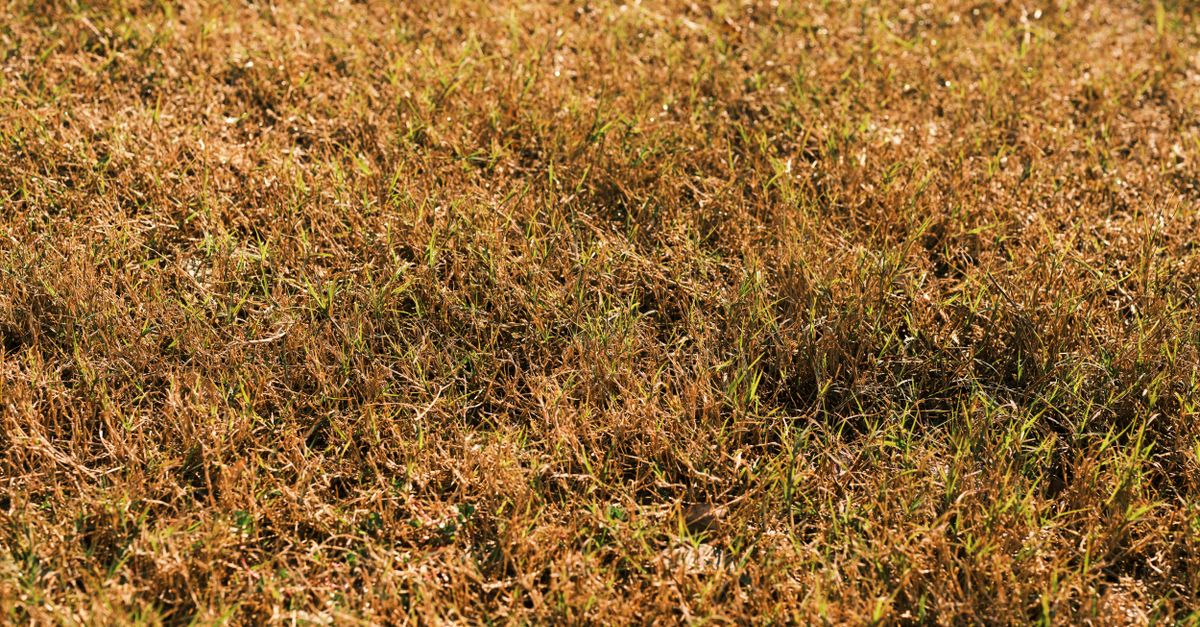
Choosing a grass that thrives with minimal water, maintaining it efficiently as a first‑time homeowner, and integrating tree and shrub care into the overall landscape are common challenges. In 2026, modern technology and proven turf science give us clear pathways to drought‑resistant lawns, seasonal treatment plans, professional sod options, and practical checklists that save water and money.
Drought-Resistant Lawn Care Basics for New Homes
The first decision is which grass species will sustain under limited rainfall. Warm-season grasses such as Zoysia, Bermuda, or Buffalo are naturally drought tolerant once established. Cool-season varieties like Tall Fescue can be used in cooler climates but require more irrigation during dry spells.
Soil preparation is critical; a well‑amended loam that retains moisture yet drains properly reduces the need for frequent watering. Adding compost or biochar improves water retention and promotes healthy root systems.
Key Steps:
- Select a drought‑tolerant grass appropriate to your climate zone.
- Test soil pH; adjust to 6.0–7.0 for optimal nutrient uptake.
- Incorporate organic matter—compost, biochar—to improve moisture retention.
- Install a drip or micro‑sprinkler system with a smart controller.
- Mulch around trees and shrubs to reduce evaporation.
Following these steps can cut irrigation frequency by up to 30% while keeping the lawn lush year-round.
Lawn Care Checklist for New Homeowners in 2026
A new homeowner’s routine can feel overwhelming. Breaking it into weekly, monthly, and seasonal tasks keeps the yard healthy without over‑engineering the process.
In my experience, setting up a simple calendar reminder for each task prevents neglect during busy months.Weekly & Monthly Tasks:
- Mow to the recommended height—usually 2.5–3 inches for warm‑season grasses.
- Remove debris and fallen leaves promptly.
- Inspect irrigation lines for leaks or weak points.
- Apply a balanced, slow‑release fertilizer during peak growing seasons.
- Spot‑treat weeds with selective herbicides or manual removal.
Adhering to this checklist ensures resilience and reduces costly interventions later.
Tree and Shrub Care Essentials to Protect Your Landscape
Trees and shrubs are integral to a healthy ecosystem; they provide shade, reduce wind erosion, and improve soil structure. Proper care prevents root competition and disease spread.
Essential Practices:
- Prune dead or crossing branches during late winter for optimal growth.
- Water deep and infrequently—once every 7–10 days—to encourage deep rooting.
- Mulch 2–3 inches around the base to conserve moisture and suppress weeds.
- Test soil annually for pH and nutrient deficiencies.
- Inspect for pests like aphids or scale; use organic controls first.
Implementing these practices keeps trees healthy, reduces maintenance costs, and enhances the yard’s aesthetic.
Grass Treatment Plans: Seasonal Approach for Optimal Turf
A structured treatment plan aligns with climate cycles. Each season demands specific actions that keep the grass vigorous without excess resource use.
Seasonal Actions:
- Spring (March–May): Aerate, overseed, and apply a nitrogen‑rich fertilizer to kickstart growth.
- Summer (June–August): Switch to a drought‑tolerant watering schedule; use a slow‑release phosphorous booster if the soil is low.
- Fall (September–November): Reduce mowing height, apply potassium fertilizer, and remove fallen leaves.
- Winter (December–February): Protect roots with mulch; avoid heavy traffic on wet soil to prevent compaction.
This plan ensures the lawn receives nutrients at the right time, improving resilience against heat stress and disease.
Professional Sod Care vs DIY: When to Call the Experts
Installing sod can give instant results but requires precision. Knowing when a professional’s touch is worth the investment saves both money and frustration.
Considerations:
- Site grading—professionals ensure even drainage and slope control.
- Root depth—proper installation reduces transplant shock.
- Post‑installation care—experts provide a detailed watering schedule.
- Warranty—many vendors offer a 30–90 day guarantee on sod health.
- Cost comparison—DIY may save initial labor, but failures can cost more long term.
Tech Tools & Apps for Efficient Lawn Management
The rise of smart garden technology in 2026 means you can monitor soil moisture, weather forecasts, and plant health from your phone. Selecting the right app streamlines decision‑making and reduces waste.
Recommended Features:
- Soil moisture sensor integration for real‑time alerts.
- Automated irrigation scheduling based on local rainfall data.
- Plant disease diagnostics via image recognition.
- Maintenance calendar sync with smart devices.
- Cost tracker to compare DIY vs. professional expenses.
Integrating these tools turns lawn care from a chore into an optimized, data‑driven process that saves time and resources.
What specific drought‑resistant grass species have you tried in 2026, and how did their performance compare to your expectations?Expanding the Foundation: Soil, Water, and Plant Selection in Detail
A drought‑resistant lawn is more than a choice of grass; it’s an ecosystem built on sound soil science, efficient water use, and proper plant selection. Below we unpack each component so you can make informed decisions that last.
Soil Testing: The First Step Toward Smart Management
Before any seeding or sod placement, conduct a comprehensive soil test. Most local extension offices provide kits for pH, nitrogen (N), phosphorus (P), and potassium (K) levels. A balanced profile typically looks like:
- pH 6.0–7.0
- N: 1.5–2.5 ppm
- P: 15–25 ppm
- K: 50–70 ppm
If your soil is too acidic (pH below 6), add agricultural lime at a rate of 1–2 lb per 100 sq ft. For alkaline soils, elemental sulfur can lower pH by about 0.5 units for every 3–4 lb applied.
Organic Matter: Compost and Biochar in Practice
Adding 2–3 inches of compost to the topsoil before seeding or sod installation improves aeration and water retention. If you have access to biochar, mix it at a ratio of 1 part biochar to 10 parts soil; this creates a porous matrix that holds moisture while allowing roots to breathe.
Use mulch around trees and shrubs as an extra layer of protection: shredded bark, pine needles, or wood chips each perform well. Aim for 2–3 inches in depth, replenishing annually to keep the barrier intact.
Smart Irrigation: Beyond Conventional Sprinklers
A drip system delivers water directly to root zones, reducing evaporation. Pair it with a smart controller that reads local weather data; if rain is forecasted, the system can skip a scheduled watering cycle automatically. Many controllers allow manual override via smartphone, giving you real‑time control.
Watering frequency should follow the “deep and infrequent” rule: 1–2 inches of water per week during active growth periods. Use a rain gauge or soil moisture probe to confirm that your lawn is receiving adequate hydration without overwatering.
Choosing the Right Grass for Your Climate
The U.S. Plant Hardiness Zone map can guide selection: Zoysia thrives in Zones 7–9, while Bermuda prefers Zones 8–10. For cooler climates (Zones 5–6), consider Tall Fescue, which tolerates shade and has a deeper root system that helps it survive dry spells.
When seeding, use a mix of grass seed and a small amount of fine sand to improve seed‑to‑soil contact. For sod, purchase from reputable vendors who guarantee a 30–90 day warranty; this protects you against early failures due to poor installation.
Deepening the Lawn Care Routine: Practical Tips for Each Season
A robust lawn maintenance plan balances mowing, fertilizing, aeration, and pest control. Below are actionable steps for each season that align with drought‑resistance goals.
Spring (March–May): Build Resilience from the Ground Up
- Aerate: Use a spike or plug aerator to reduce compaction, especially after heavy winter traffic. Aeration increases oxygen flow to roots and enhances water infiltration.
- Overseed: If your lawn has bare patches, overseed with a drought‑tolerant mix. Keep the soil moist until seedlings establish; then transition to a conservative watering schedule.
- Fertilize: Apply a nitrogen‑rich fertilizer (e.g., 10-0-5) at 1 lb per 1000 sq ft, split into two applications: early spring and mid‑spring. This supports leaf development without encouraging excessive growth that would demand more water.
Summer (June–August): Protect the Turf When Heat Peaks
- Watering: Stick to a deep, once‑weekly schedule unless temperatures soar above 90 °F. Use a rain gauge or soil probe to avoid overwatering.
- Mowing Height: Raise the mower blade by ½ inch for warm‑season grasses. Taller blades shade the root zone and reduce evaporation.
- Pest Management: Inspect for grubs, chinch bugs, or fungal infections. Treat with organic options like neem oil or beneficial nematodes before resorting to chemicals.
Fall (September–November): Prepare the Lawn for Dormancy
- Reduce Mowing: Lower the blade gradually; finish at 2 inches. This encourages deeper root growth and improves winter hardiness.
- Fertilize: Apply a potassium‑rich fertilizer (e.g., 0-5-10) to strengthen cell walls and improve drought tolerance.
- Leaf Management: Rake or bag fallen leaves promptly. A thick layer of debris can create a microclimate that fosters fungal growth during cool, wet months.
Winter (December–February): Minimize Damage from Cold and Moisture
- Mulch: Spread 2–3 inches of mulch around tree bases and over lawn edges to maintain soil temperature and moisture levels.
- Avoid Traffic: Keep foot traffic off wet or frozen lawns. Compacting the ground can impede root growth when spring arrives.
- Check Irrigation: Drain or cover unused lines to prevent freezing damage. Inspect for leaks after thaw, as ice expansion may create cracks.
Leveraging Technology: Practical Tips for 2026 Homeowners
The technology landscape has evolved to support precise lawn care decisions. Below are practical ways to incorporate these tools into everyday routines.
Soil Moisture Sensors
- Place sensors at root depth (3–6 inches) in high‑traffic and low‑traffic zones.
- Configure alerts for moisture thresholds; the system will trigger irrigation only when needed.
Irrigation Scheduling Apps
Many apps now pull data from local weather stations, adjusting watering cycles automatically. Set a maximum daily water limit and let the app handle the rest.
Pest and Disease Identification Tools
- Take a clear photo of suspected symptoms and upload to an image‑recognition platform; receive a list of likely culprits and recommended treatments.
Maintenance Calendar Integration
Sync mowing, fertilizing, and pruning dates with your phone’s calendar. Receive reminders as the date approaches, ensuring nothing slips through the cracks.
Cost Tracking Features
- Log every purchase (sod, fertilizer, water usage) to compare DIY vs. professional expenses.
- Use the data to adjust future budgets and identify areas where automation or a different strategy could save money.
Community Resources and Further Learning
Many local extension offices now host virtual workshops on drought‑resistant landscaping. Attend webinars that cover topics such as “Smart Irrigation Design” and “Choosing the Right Grass for Your Zone.” Additionally, online forums can provide real‑time advice from fellow homeowners who have faced similar challenges.
Final Thought
Adopting a drought‑resistant lawn strategy in 2026 is less about choosing a single solution and more about weaving together soil science, smart irrigation, plant selection, and ongoing maintenance. By expanding each component thoughtfully—whether it’s adding compost, installing a drip system, or scheduling seasonal fertilization—you create a resilient yard that thrives on minimal water while saving you time and money.
What specific drought‑resistant grass species have you tried in 2026, and how did their performance compare to your expectations?


