
What Is the Best Approach to Sod Installation and Maintenance on Large Properties in 2026?
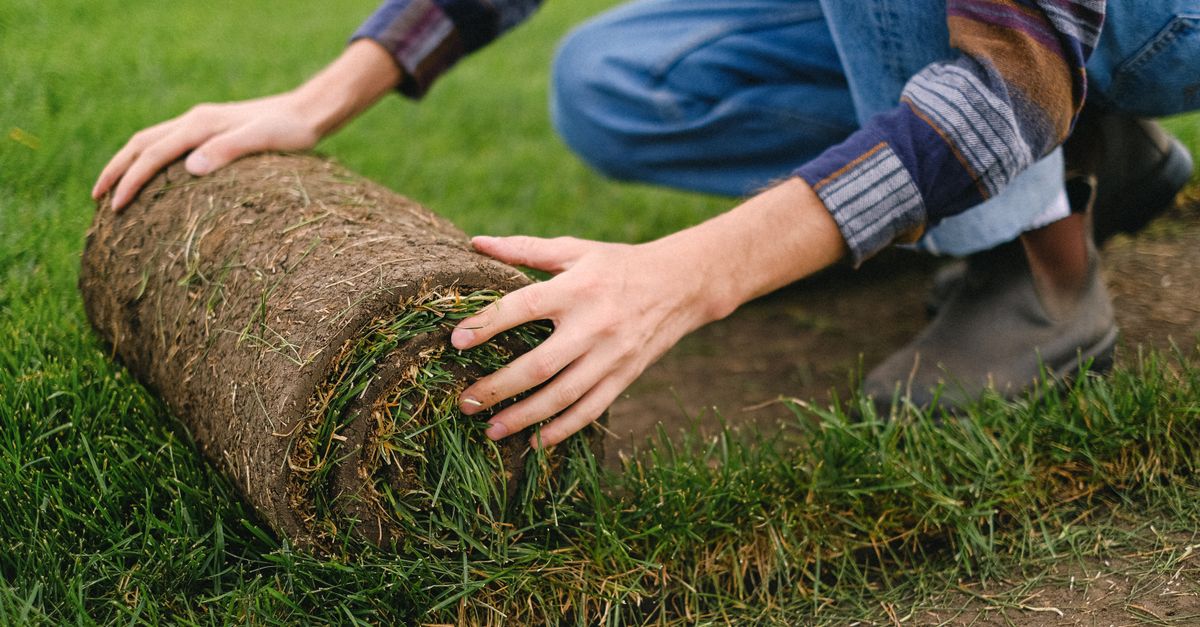
I’ve spent years turning raw landscapes into lush, functional lawns for clients ranging from suburban homeowners to sprawling commercial estates. The core challenge remains the same: how do you install sod and keep it healthy when space is abundant, traffic is high, and water restrictions are tightening? Below I’ll walk through a step‑by‑step process that blends proven techniques with 2026 trends in drought-resistant lawn care.
Understanding the Scope of Sod Installation on Large Properties
Before you even touch a blade of grass, you need to define what “large” means for your project. A typical suburban yard is about 0.25 acres; a commercial campus can exceed 10 acres. The larger the area, the more critical it becomes to plan soil preparation, drainage, and budget in advance.
Key factors:
Planning Checklist
- Accurate Measurement: Use GPS or laser rangefinders to capture total square footage. A small miscalculation can lead to costly material overruns or uneven coverage.
- Traffic Mapping: Identify high‑traffic zones such as walkways, patios, playgrounds, and parking areas. These spots often require a more durable turf mix or supplemental surface treatments.
- Drainage Assessment: Map existing drainage patterns; note any swales, low spots, or areas where standing water persists after rain events. Proper grading can prevent future compaction and root rot.
- Budget Estimation: Include sod purchase, labor costs, irrigation installation, post‑installation maintenance, and a contingency for unforeseen site conditions. A realistic budget keeps the project on track and prevents mid‑project scope creep.
Site Survey Checklist
Before the first cut of equipment, conduct a quick walkover with a clipboard and a pen to mark any obstacles, utility lines, or irregular topography. Documenting these details in a simple spreadsheet allows you to create a visual map later, ensuring that no hidden pitfall skews your grading plan.
Once you’ve quantified the space and needs, you can move on to selecting the right turf that will thrive under your specific conditions.
Selecting the Right Sod Type for 2026 Climate and Usage
The choice of sod directly influences long‑term maintenance and drought resilience. In 2026, climate data indicates increased temperature variability and sporadic rainfall, so we’re leaning toward hybrid blends that combine aesthetic appeal with hardiness.
- Kentucky Bluegrass: Classic look but water‑intensive; best for low‑traffic, well‑watered lawns. It recovers quickly from mowing and provides a dense, uniform appearance.
- Perennial Ryegrass: Fast establishment and good seedbed quality but requires frequent mowing. Ideal as a transitional layer or in high-visibility areas like event sites where instant coverage is needed.
- Tall Fescue: Medium shade tolerance and moderate drought resistance. Its fine texture works well under trees, shrubs, and mixed‑turf layouts that demand both beauty and resilience.
- Zoysia & Buffalo Grass: Low‑maintenance, heat and drought tolerant; ideal for large commercial lawns with high traffic. Zoysia’s dense growth limits weed intrusion, while Buffalo’s native adaptation reduces irrigation needs.
Hybrid Blend Considerations
When working across a mixed light/shade environment, consider a 70/30 split of Zoysia to Tall Fescue by area. This ratio delivers a cohesive look while keeping the maintenance load manageable—Zoysia handles the sun and traffic, and Tall Fescue fills in the shaded niches without compromising color or texture.
I usually recommend a blend of Zoysia for the majority area and Tall Fescue in shaded corners. That gives you the best of both worlds: low upkeep on sunny spots and natural shade resilience where needed.
Step‑by‑Step Sod Installation Process
The installation phase is critical; any mistake here will cascade into long‑term problems. Follow these steps closely to ensure a smooth, healthy lawn from day one.
1. Soil Preparation and Grading
- Clear Debris: Remove all rocks, roots, and existing vegetation to create a clean base. A power rake or brush cutter can speed up this process on large sites.
- Soil Testing: Test pH (target 6.0–7.0) and nutrient levels. Amend with lime to raise pH or sulfur to lower it, and add a balanced fertilizer based on lab results to give the sod immediate nutrition.
- Leveling: Use a skid steer equipped with a blade or a laser‑guided grader to achieve a slope of no more than 2% away from buildings. This grading helps prevent water pooling and ensures proper drainage.
2. Drainage Installation
- Subsurface Drains: If the soil is heavy clay or you’ve identified low spots, install perforated PVC pipes buried at 12–18 inches deep to redirect excess water toward a storm drain or dry well.
- Gutter Management: Ensure gutters and downspouts direct runoff away from the lawn perimeter. Adding splash blocks can further reduce soil erosion during heavy rains.
3. Laying Sod
- Staggered Pattern: Roll out sod in a brick‑lay pattern to avoid visible seams and improve overall stability. This technique also helps the grass establish more uniformly across the site.
- Firm Contact: Press each strip firmly with a roller or by walking on it immediately after placement. Firm contact eliminates air pockets that can dry out roots during the critical first week.
- Overlap Edges: Overlap edges at 6–8 inches to maximize coverage and reduce gaps that can become weed hotspots.
4. Immediate Watering Schedule
- First Hour: Water the sod lightly but thoroughly within the first hour of installation. This initial soak triggers root growth and establishes a strong bond between the sod and underlying soil.
- Consistent Moisture: Maintain consistent moisture (2–3 inches per week) until roots are fully established, typically 6 weeks. Use a calibrated irrigation controller to avoid over‑watering or under‑watering.
- Smart Irrigation: Deploy a smart irrigation controller that adjusts watering based on real‑time weather data and soil moisture sensors. This technology reduces waste and adapts to the unpredictable rainfall patterns of 2026.
Watering Frequency Adjustments by Season
In spring, increase irrigation to 3–4 inches per week while in peak summer months reduce to 2–2.5 inches. During fall, shift back to 3 inches once leaf drop begins and the grass shifts to a rest cycle. This seasonal modulation conserves water without compromising root health.
After these steps, your lawn will be primed for regular upkeep and the long‑term benefits of drought-resistant care.
Ongoing Maintenance: From Regular Lawn Upkeep to Drought-Resistant Strategies
Once the sod is in place, ongoing maintenance determines whether it stays vibrant or turns brown. The key is a balanced routine that addresses mowing, fertilization, aeration, irrigation, and pest control.
Core Maintenance Tasks (Monthly)
- Mowing: Keep grass at 2–3 inches; adjust height seasonally to reduce water loss—lower the cut in summer and raise it in winter to protect roots.
- Fertilizing: Apply a slow‑release nitrogen fertilizer in spring and fall. For drought-prone areas, incorporate micronutrients like zinc or iron to boost stress tolerance.
- Aeration: Perform core aeration every 12–18 weeks to relieve compaction, especially after heavy traffic periods. Use a pneumatic aerator with 2–3 inch cores for optimal airflow.
- Weed Control: Spot‑treat with selective herbicides or use pre‑emergent during early spring. Integrate mulching around non‑lawn features to suppress weed seed germination.
For drought-resistant lawn care, I integrate a smart drip irrigation system that delivers water directly to the root zone. This approach cuts evaporation by up to 30% compared to conventional sprinklers. In areas prone to water restrictions, switching to an automated timer set for early morning reduces runoff and ensures consistent moisture.
The most significant cost saving comes from investing in a high‑quality irrigation controller that adapts to real‑time weather data; it’s the single most effective tool for drought-resistant lawn care on large properties.Mowing Practices by Turf Type
Zoysia tolerates a mowing height of 1.5–2 inches during hot months, while Tall Fescue performs best at 2.5–3 inches in cooler seasons. Maintaining these thresholds helps avoid leaf scorch and preserves the natural blade structure that contributes to drought tolerance.
Winter Care and Protection
During cold snaps, reduce mowing frequency to once a month and use a lower cutting height (around 1 inch) to protect the crown from frost damage. If the region experiences snow cover, avoid heavy foot traffic on the lawn to prevent compaction of already frozen soil.
Long-Term Lawn Seeding and Replacement Cycles for Large Properties
Sod may look perfect for the first year, but wear and tear eventually necessitates reseeding or replacement. A proactive approach keeps the lawn healthy without expensive overhauls.
- Overseeding: In late summer, broadcast a light seed mix of Tall Fescue to fill in thin spots. Spread seeds evenly with a seed spreader and lightly raking them into the soil surface.
- Deep Seeding: Every 3–4 years, perform deep seeding under existing sod where traffic is minimal. Use a seed drill or hand‑rake method to create shallow furrows that allow seeds direct contact with the soil.
- Replacement: Replace any 10% or more of the lawn that shows persistent disease or wear with new sod. This threshold keeps maintenance costs predictable while preventing large, unsightly patches.
When planning reseeding, consider a seed rate of 5–7 lbs per 1,000 sq ft for Tall Fescue. Apply a pre‑emergent herbicide two weeks before sowing to suppress competing weeds. Follow up with light watering twice daily until seedlings establish.
In my experience, the biggest surprise comes from microclimates within a single property—one corner may be sunny while another is perpetually shaded by a building or tree canopy. Tailoring your maintenance schedule to these pockets saves both water and labor.By treating sod installation as a long‑term investment rather than a one‑time fix, you can keep large properties looking pristine with minimal effort over the next decade.
What irrigation strategy has worked best for your large property during recent drought periods?


