
What Are the Key Factors When Choosing Lawn Edging Services for Large Properties?
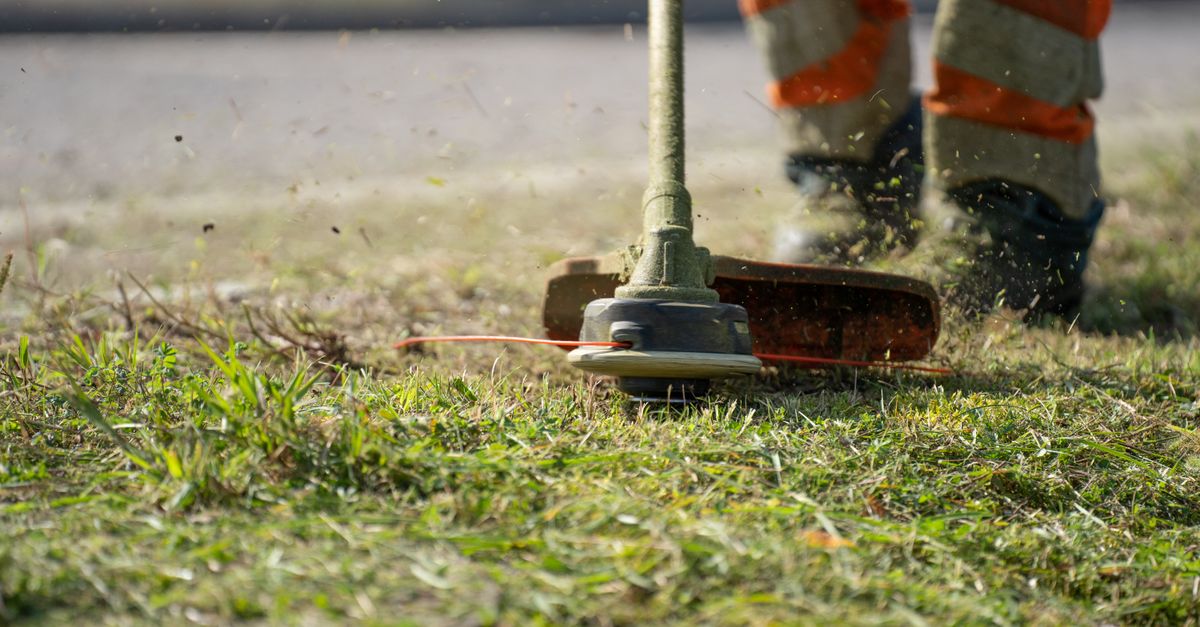
Managing a sprawling yard can feel like a full‑time job, especially when you want every inch to look pristine. If your home has several acres of grass, flower beds, and pathways, the first thing that often comes up is lawn edging—those clean borders between different surfaces that give a yard its shape and curb appeal. The question isn’t just whether you need it; it’s how to pick a service that delivers quality without breaking the bank.
Understanding the Scope of Lawn Edging Services
Lawn edging is more than cutting grass along a line. Professional providers typically offer:
- Trim and shape of lawn borders.
- Installation of edging materials (plastic, metal, stone).
- Removal of overgrown or damaged edges.
- Post‑installation maintenance such as reseeding or weed control along the edge.
For large properties, the scope may include multiple zones—driveways, patios, walkways, and garden beds—each requiring a different material choice and finish. Knowing exactly what you need helps avoid hidden costs later.
Additional Services: Many companies also provide complementary services such as installing low‑maintenance borders around water features, integrating irrigation lines during edging, or performing post‑installation inspections to ensure long‑term stability. These add-ons can streamline your overall landscape maintenance plan and reduce future touch‑ups.
Why Lawn Edging Matters for Large Properties
A well‑defined edge keeps your lawn healthy by preventing grass from invading hardscapes, reduces weed spread, and protects pathways from erosion. On a big yard, the impact multiplies: without proper edging, maintenance crews spend extra time trimming stray blades; homeowners see uneven color and texture that can devalue curb appeal.
From an operational standpoint, a clean edge also simplifies mowing schedules—mowers can cut straight lines without worrying about clipping the wrong surface. That efficiency translates into lower labor hours and fewer passes per job.
Beyond aesthetics, proper edging improves safety by delineating walkways, reducing tripping hazards for pets and children, and ensuring that foot traffic does not damage fragile soil or plant roots.
Key Factors to Evaluate When Selecting a Provider
Choosing a lawn edging service involves balancing several variables: cost, material quality, experience with large‑scale jobs, integration with custom maintenance plans, and the provider’s ability to adapt to your specific landscape layout.
Cost Considerations and Budgeting
The price per linear foot varies based on material and labor. For a 10,000‑foot property, you might see rates from $2 to $5 per foot for basic plastic edging, up to $8 or more for premium stone or metal. Labor typically accounts for 30–50% of the total.
Key Cost Drivers
- Material type and durability.
- Total linear feet required.
- Complexity of terrain (elevation changes, curves).
- Additional services like reseeding or weed control.
- Geographic region and local labor rates.
When budgeting, add a 10–15% contingency for unforeseen obstacles—rocky patches, underground utilities, or last‑minute design tweaks. A small example: if your edging project is estimated at $35,000, setting aside $3,500 to $5,250 can cover unexpected site adjustments without derailing the schedule.
Quality of Materials and Finish
Materials come in three main categories: plastic, metal, and stone. Plastic is affordable but less durable; metal offers a sleek look and longevity; stone delivers the highest aesthetic value but at a premium price. For large properties where the edge will be exposed to foot traffic and weather, durability outweighs initial savings.
Ask for samples or references from previous large projects. A good provider will explain how they protect edges with sealants or proper drainage to prevent water accumulation that can damage roots.
Pros & Cons Snapshot:
- Plastic (Vinyl): Low cost, easy installation, but may crack under heavy foot traffic and fade in sun.
- Metal (Aluminum/Steel): Strong, long‑lasting, offers a modern look; requires occasional polishing to prevent rust.
- Stone (Granite, Limestone): Natural beauty, excellent durability, but heavier installation and higher upfront cost.
- Composite (Wood‑plastic blend): Combines the look of wood with low maintenance; moderate price point.
Experience with Large-Scale Projects
A contractor who has handled a single driveway knows the basics, but managing an estate with multiple lawns and gardens requires project coordination skills—scheduling crews, coordinating material deliveries, and ensuring consistent quality across zones.
In my experience, companies that use mobile workforce management tools can keep projects on schedule and reduce labor overruns. I’ve seen smaller firms struggle when a single crew gets stuck at one location for days, causing domino effects elsewhere.Look for certifications such as the Landscape Management Association (LMA) accreditation or local trade association memberships. These credentials often indicate that a contractor adheres to industry standards and invests in ongoing training for its staff.
Lawn Seeding and Edging: Complementary Services
After installing edges, the grass along those borders often experiences higher foot traffic and moisture. Seeding or overseeding around the edge strengthens root systems and helps maintain a uniform appearance.
Benefits of Combined Seeding and Edging
- Enhanced soil stability reduces erosion.
- Improved aesthetics with a seamless blend between grass and hardscape.
- Fewer maintenance visits as the edge becomes self‑sustaining.
- Potential cost savings when bundled together.
If you’re planning a new seeding project, discuss timing with your edging contractor. Typically, seeding should occur before the first mowing of the season to allow roots to establish. Selecting a seed mix suited for heavy traffic—such as tall fescue or Kentucky bluegrass—can further increase resilience.
Common Mistakes to Avoid with Lawn Edging for Big Yards
- Underestimating linear footage: Not accounting for curves can lead to incomplete edges.
- Choosing cheap materials without considering durability: Plastic edges may need replacement within a few years, increasing long‑term cost.
- Ignoring drainage: Poorly designed edges can trap water, causing root rot.
- Lack of coordination with maintenance plans: Separate crews for edging and mowing double travel time.
- Skipping a pre‑installation survey: Overlooking underground utilities can cause costly delays.
How to Prepare Your Yard Before Edging Service
Preparation reduces labor time and improves final results. Follow these steps:
Pre‑Installation Checklist
- Measure total linear feet for each zone.
- Mark existing paths, driveways, and beds with stakes or spray paint.
- Clear debris, rocks, or vegetation that could interfere with edging tools.
- Verify utility maps to avoid accidental damage.
- Decide on material type for each zone based on foot traffic and exposure.
Providing the contractor with accurate measurements and a clear plan saves hours of back‑and‑forth communication.
Questions to Ask Potential Providers
- What experience do you have with properties over 5 acres?
- Can you provide references or case studies from similar projects?
- How do you handle drainage around edges?
- Do you offer bundled maintenance plans that include edging upkeep?
- What is your pricing structure—per linear foot, per square yard, or flat rate?
- What guarantees do you provide for material durability and workmanship?
- Are you fully insured and licensed to work in this region?
Case Study: My Experience with a Large Property Edging Project
I recently managed the edging of a 12‑acre suburban estate that had uneven borders around two driveways, a patio, and several garden beds. The contractor used high‑grade aluminum edges for the driveways—because these areas see daily foot traffic—and poured crushed stone along the garden beds for a rustic look.
We scheduled mowing and edging in a single pass each week to keep labor costs down. After the first month, I noticed that the previously uneven grass lines had stabilized, and the property looked cohesive across all zones.
The most critical factor is matching material durability with expected foot traffic and integrating edging into your existing maintenance workflow; this approach saves money and effort over time. What are the biggest challenges you face when maintaining large yard boundaries, and how do you address them?In addition to the technical aspects, a successful long‑term strategy involves regular inspections after installation. Checking for signs of shifting soil, erosion, or water pooling can catch problems early before they become costly repairs. By embedding these checks into your routine lawn care schedule—perhaps at the start of each mowing season—you maintain both the look and health of your large landscape.


