
What Are the Best Steps for Lawn Pest Control and Professional Sod Care in 2026?
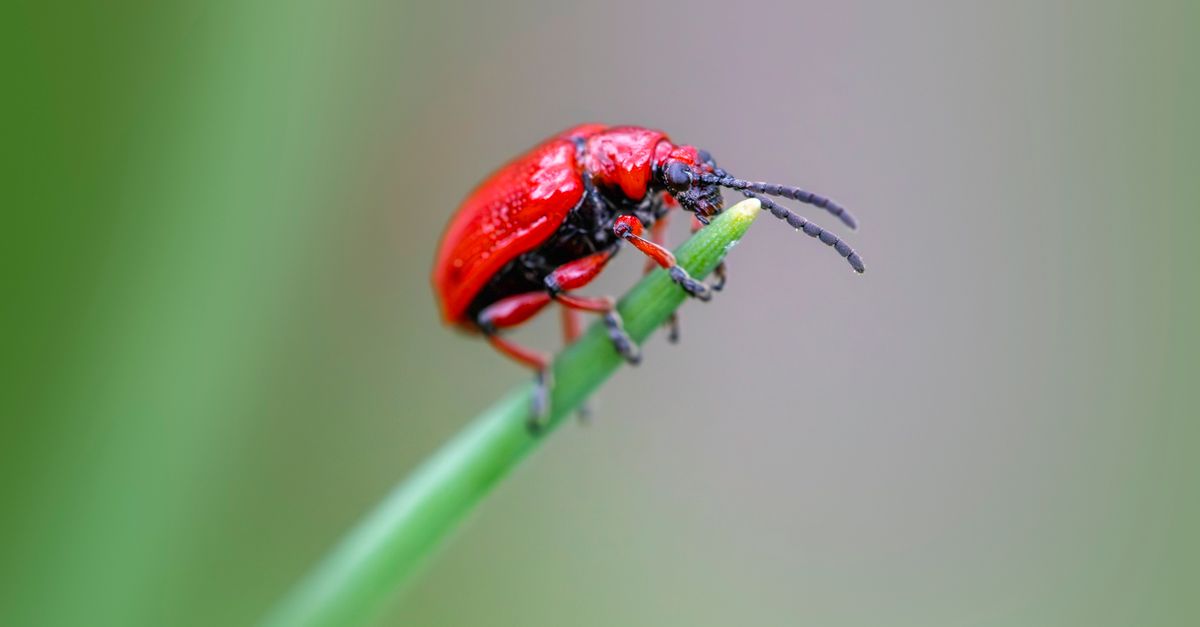
Managing a healthy, green lawn is more than mowing and watering. In 2026, homeowners with large properties face new pests, climate shifts, and the need for expert services that deliver consistent results. This article walks you through everything from identifying common lawn pests to choosing a complete lawn care package or DIY seeding strategy that works for big yards. I’ll share practical tips, cost‑saving hacks, and real‑world experience so you can make an informed decision without falling into the usual marketing hype.
1. Identify the Core Lawn Challenges on Large Properties
Large lawns—whether a suburban backyard or a commercial campus—are exposed to more environmental variables than small patches. Heat stress, uneven traffic zones, and varied soil types create niches where pests thrive. The first step is a diagnostic check: look for signs of yellowing grass, patchy growth, or visible insects. A clear assessment saves money later by targeting the right solutions.
Common Signs You’re Facing Lawn Issues
- Yellow or brown patches that don’t improve after watering - Visible insect activity such as grubs or chinch bugs - Stunted growth or uneven turf density - Excessive soil compaction in high‑traffic areas - Persistent odors from decaying organic matter
During early spring, you may notice fine “dusty” patches that indicate fungal disease rather than pests. In late summer, sudden brown streaks often mean chinch bugs or heat stress, while a sudden spike in yellowing could signal nutrient deficiency. Recognizing these patterns helps you decide whether you’re dealing with pests, diseases, or environmental stress.
Key Checklist for a Quick Assessment
- Inspect grass color and texture across the yard.
- Run a simple “turf test” by lightly scratching a spot; if it stays brown, you have an issue.
- Check soil moisture with a meter or hand probe.
- Look for insect activity in the late afternoon when they’re most visible.
- Note any surrounding trees or structures that may affect shade and drainage.
The first step—accurate diagnosis—prevents you from buying unnecessary treatments and ensures your investment goes where it’s needed.
2. Lawn Pest Control: What You Need to Know
Pest control isn’t one‑size‑fits‑all. In 2026, the most common culprits on large lawns include chinch bugs, grubs, sod webworms, and army ants. Each requires a different approach—chemical or biological—and timing is crucial. Below are the essentials you should consider before purchasing any product.
Types of Lawn Pests & Their Impact
- Chinch Bugs: Small insects that chew grass blades, leaving brown streaks. - Grubs: Larvae of beetles; they feed on roots and can kill lawn if untreated. - Sod Webworms: Juvenile moths that create webbing and damage young turf. - Army Ants: Aggressive, can swarm in large numbers during the dry season. - Flea Beetles: Tiny beetles that create tiny holes in grass blades. - Cricket Bugs: Feed on roots and leaves, causing yellowing and dieback.
Choosing the Right Treatment Method
- Organic Insecticides: Safe for pets and humans, effective against grubs and chinch bugs.
- Chemical Fungicides & Pesticides: Faster action but require careful application to avoid residue.
- Bacillus thuringiensis (Bt): A bacterial agent that kills grub larvae with minimal environmental impact.
- Beneficial Nematodes: Microscopic worms that attack grubs and other soil pests naturally.
- Integrated Pest Management (IPM): Combines monitoring, biological controls, and targeted chemicals.
When selecting a product, consider the life cycle of the pest, local regulations on pesticide use, and whether you’re comfortable handling chemicals yourself. For example, Bt is ideal for early spring when grub larvae are just emerging; it’s harmless to mammals but lethal to grubs. Organic insecticides often require multiple applications, so be prepared for a longer treatment schedule.
In my experience, the biggest mistake I’ve seen is applying a chemical pesticide without first identifying the pest species; that leads to wasted money and sometimes a worse problem.
3. Professional Sod Care vs DIY: Which Path Is Right?
Professional sod care offers expertise in soil testing, turf selection, and precise application of fertilizers or pesticides. DIY can be cheaper but risks improper timing or over‑fertilization that damages the lawn. Below is a comparison to help you decide.
Pros of Professional Sod Care
- Expert Diagnosis: Trained technicians spot issues early.
- Customized Treatment Plans: Soil tests guide fertilizer and pest control choices.
- Consistent Maintenance: Scheduled visits keep the lawn healthy year‑round.
- Time Savings: You free up hours for family and work.
Pros of DIY Sod Care
- Lower Upfront Cost: No service fees, only product costs.
- Control Over Products: Choose organic or specific chemicals that suit your values.
- Learning Experience: Gain hands‑on knowledge of turf health.
If you have a large property and can’t spend the time on daily mowing, watering, and monitoring, professional sod care is usually worth the investment for long‑term results.
4. Complete Lawn Care Packages: What to Expect
Many landscaping companies now offer “complete lawn care packages” that bundle mowing, fertilization, pest control, aeration, and seasonal overseeding. Understanding what each package includes lets you compare costs and benefits accurately.
Typical Components of a Package
- Mowing & Edging: Regular cuts to maintain height and clean lines.
- Fertilization Schedule: Balanced NPK mixes tailored to your grass type.
- Pest Control: Targeted treatments for common lawn pests.
- Aeration & Dethatching: Prevents compaction and improves oxygen flow.
- Overseeding & Lawn Repair: Keeps density high during the growing season.
Benefits of a Package Over Individual Services
- Cost Predictability: Fixed monthly or quarterly fees reduce budget surprises.
- Integrated Timing: All services coordinated to avoid overlapping chemicals.
- Professional Oversight: A single point of contact for all lawn care needs.
I once switched from a piecemeal approach to a bundled package for my RV campground. The savings were 15% annually, and the lawn’s health improved noticeably—no more patchy spots after heavy rains.
5. Lawn Seeding: How to Rejuvenate Large Properties in 2026
When your grass is thin or damaged, seeding can restore density quickly. The process requires careful preparation and timing to ensure seedlings establish before the heat of summer.
Steps for Successful Seeding on a Big Yard
- Soil Preparation: Level the surface and remove debris; use a dethatcher if needed.
- Test & Amend Soil: Adjust pH to 6.0–7.0 and add organic matter for nutrient support.
- Select the Right Seed Mix: Choose turf that tolerates your local climate, foot traffic, and shade patterns.
- Sow Evenly: Use a seed spreader calibrated for large areas to avoid clumping.
- Water Properly: Keep soil moist with light, frequent sprays during the first 3 weeks.
Before seeding, consider applying a pre-emergent herbicide to keep weeds at bay. After planting, mulch a thin layer of straw or shredded bark; this conserves moisture and protects seedlings from wind. Once new grass reaches 2–3 inches, reduce watering frequency gradually.
Proper seeding—right mix, correct timing, and consistent watering—is essential to achieve a uniform lawn that can withstand heavy use.
6. Maintenance Schedule & Cost Considerations for Large Properties
A well‑planned maintenance schedule reduces labor costs and keeps the lawn healthy year after year. Below is a practical calendar you can adapt to your property’s size and climate.
Seasonal Lawn Care Calendar
- Early Spring (March–April): Aeration, overseeding, first fertilizer application.
- Mid‑Spring (May): Pest screening, spot treatment for grub or chinch bugs.
- Summer (June–August): Regular mowing (weekly in warm months), watering 1 inch per week, and monitoring for heat stress.
- Fall (September–October):**
- Second fertilizer application with higher potassium for root strengthening.
- Final pest control sweep to prevent winter infestations.
- Leaf removal and mulching around trees.
- Winter (November–February):**
- Minimal mowing; focus on lawn health monitoring.
- Plan next year’s seed mix based on performance.
Cost Breakdown for a 5,000‑sq‑ft Lawn
- Mowing & Edging: $200–$300 per season (if outsourced). - Fertilizer & Soil Amendments: $150–$250 annually. - Pest Control: $100–$200 depending on severity. - Professional Sod Care Package: $800–$1,500 per year for comprehensive services. - DIY Seeding & Repairs: Seed costs $50–$150; tools and labor add $300–$600. - Irrigation System Installation: $2,000–$4,000 for a drip or smart controller setup. - Equipment Maintenance: $100–$200 yearly to keep mowers and sprayers in good shape.
When I first budgeted for a 5,000‑sq‑ft yard in Las Vegas, I underestimated watering costs. Switching to drip irrigation cut my water bill by 30% while keeping the lawn healthy.
Conclusion: Making the Right Choice for Your Lawn
Large lawns demand strategic planning and reliable execution. Start with a thorough diagnosis to target pests accurately, choose between professional sod care or DIY based on time and budget, and consider a complete lawn care package for consistent results. If your turf is thin or patchy, seeding with the right mix and proper timing will revive it quickly. Finally, stick to a seasonal maintenance schedule to keep costs predictable and the grass healthy year‑round.
What’s the biggest challenge you face when maintaining a large lawn, and how have you addressed it?


