
What Are the Best Practices for Maintaining a Large Property’s Lawn?
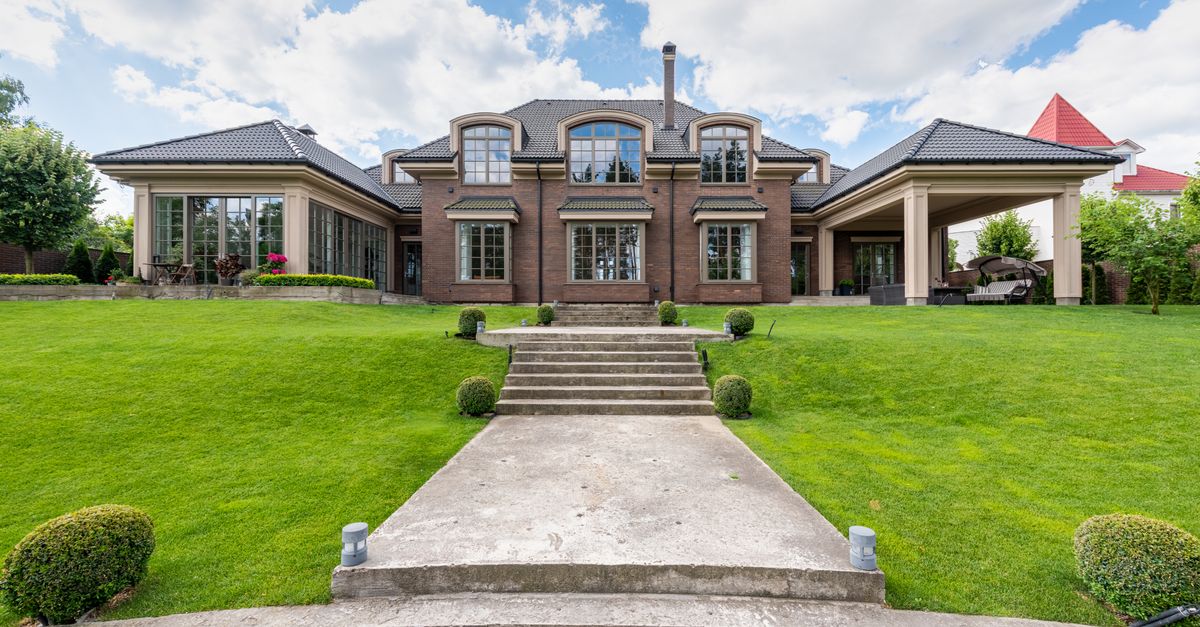
Large properties bring unique challenges when it comes to lawn care. With acres of turf, the cost, time, and expertise required can quickly overwhelm even the most organized homeowner. In this guide I walk you through every step—from initial assessment to choosing professional services—so you can keep your expansive green space healthy without breaking the bank.
1. Assess Your Property’s Lawn Needs
The first step is a thorough evaluation of what your lawn actually requires. Size, grass species, soil composition and sun exposure dictate everything from mowing frequency to irrigation strategy. Start by measuring acreage, noting shaded vs exposed areas, and determining the dominant turf type (Kentucky bluegrass, Bermuda, etc.). Then consider seasonal variations: some grasses thrive in hot summer heat while others prefer cooler climates.
Assessment Checklist
- Measure total square footage using a tape measure or GPS mapping app for larger lots.
- Identify grass species and any ornamental borders that may need different care.
- Map sun exposure zones—sunny, partly shaded, fully shaded—to guide watering and grass choice.
- Test soil pH and nutrients; note drainage issues or waterlogging spots.
- Record existing irrigation systems: number of zones, sprinkler types, controller settings.
Consider how the lawn interacts with surrounding landscapes. Large trees’ roots compete for nutrients, while ponds alter evaporation rates. A comprehensive assessment will reveal hidden challenges that could otherwise lead to uneven growth or disease.
2. Choose the Right Mowing Service or Equipment
Large lawns often outgrow manual mowing. Commercial reel mowers handle 1–3 acres efficiently, while riding mowers suit 5+ acres with uneven terrain. Decide whether to outsource or invest in equipment based on budget and maintenance willingness.
Factors to Consider
- Acreage and topography—steep slopes may need a self‑propelled mower with adjustable cutting height.
- Mowing frequency; high‑traffic areas may require daily cuts during peak growth periods.
- Cost comparison: rental ($150–$250 per week) vs purchase ($3,000–$8,000); include storage and maintenance.
- Maintenance needs—electric mowers need charging stations; gas models require oil changes.
- Professional service credentials and insurance—look for local companies with liability coverage and positive reviews.
If you opt for a self‑propelled mower, invest in quality blades and sharpen them regularly. For electric models, check the battery runtime; large properties often need multiple charges or dual batteries to cover the entire lawn without stopping.
3. Design an Efficient Mowing Schedule
Consistency beats intensity. In peak summer, mowing every 7–10 days keeps grass at optimal height, preventing weed growth and stress. During cooler months, extend intervals to 14–21 days. Avoid cutting more than one‑third of the blade length in a single pass.
Sample Monthly Schedule (Summer)
- Week 1 – Mow early morning (5 am) before the heat peaks.
- Week 2 – Mow mid‑afternoon (3 pm) after the midday surge.
- Week 3 – Mow before sunset (6 pm) to avoid late‑day stress.
- Week 4 – Mow at dawn for best dew drainage and cooler temperatures.
Use a “zig‑zag” or “lawn‑mower” pattern—starting at one corner and working systematically across the entire area—to reduce overlap and ensure even blade wear. For uneven terrain, adjust cutting height by 1–2 inches in lower areas to prevent shallow cuts that can damage root systems.
4. Master Lawn Watering and Irrigation
Watering is the most critical component of lawn health on large scales. Too little water stresses grass; too much leads to disease and wasted resources. Install a smart irrigation controller that adjusts based on weather data, and choose the right system type: conventional sprinklers for uniform coverage or drip lines for targeted zones.
Best Practices
- Water early in the morning (5–7 am) to reduce evaporation and allow foliage to dry before nightfall.
- Use a rain sensor to avoid unnecessary watering during precipitation events.
- Schedule deep, infrequent irrigation sessions—aim for 1–2 inches of water per week in most climates—to encourage deeper root growth.
- Inspect regularly for leaks and adjust zones; replace worn sprinkler heads promptly.
- Integrate mulching around trees and shrubs to retain moisture and reduce runoff.
A smart controller can be paired with a weather station that measures local temperature, humidity, and rainfall. Many systems also support mobile app notifications so you can adjust on the fly if a heatwave or unexpected drought occurs. If your property has varying soil types—sandy in one quadrant, loamy in another—you may need to split the irrigation system into separate zones with distinct schedules.
5. Fertilization and Soil Management
Healthy soil is the foundation of a lush lawn. Conduct a soil test every two years to determine pH and nutrient deficiencies. Apply balanced fertilizers—often 10‑10‑10 or 20‑20‑20 formulations—according to the test results. Incorporate organic matter like compost to improve structure.
Recommended Products
- Organic lawn fertilizer (e.g., Miracle-Gro Organic).
- Calcium sulfate for pH adjustment if soil is too acidic.
- Compost or well‑rotted manure to add organic matter and beneficial microbes.
- Slow‑release nitrogen boosters for sustained growth during peak seasons.
Consider a cover crop such as clover or rye between mowing cycles. Cover crops reduce erosion, suppress weeds, and add nitrogen back into the soil naturally. Light mulch of shredded bark can keep moisture in while preventing weed emergence on large bare patches that are hard to maintain.
6. Proactive Pest and Disease Management
Pests such as chinch bugs or fungal infections can spread rapidly across large lawns. Watch for signs like brown patches, wilting, or insect activity. Integrated pest management (IPM) combines cultural practices, biological controls, and targeted chemical use.
IPM Steps
- Maintain proper mowing height—taller grass creates a micro‑climate that deters certain pests.
- Ensure adequate drainage to reduce fungal growth; consider installing French drains if waterlogging is persistent.
- Introduce beneficial insects (ladybugs, predatory mites) or parasitic wasps for natural pest suppression.
- Apply organic pesticides only when thresholds are met—monitor weekly and record any changes in insect density.
- Rotate fungicides to prevent resistance; keep a log of the active ingredient used each season.
Regular scouting is key. Walk your property at different times of day, looking for eggs or larval tunnels under the soil surface. A simple visual inspection can catch an infestation early before it becomes a costly problem. If you notice a sudden outbreak of brown patches, test a small sample in a lab to confirm whether a fungal pathogen or nutrient deficiency is responsible.
7. Budgeting and Cost Control Over Time
Large lawn care involves both recurring expenses (water, fertilizer) and capital investments (mowers, irrigation). Create a yearly budget that separates fixed costs from variable ones. Track usage with spreadsheets or budgeting software to spot inefficiencies.
Cost Breakdown Example (Per Acre)
- Mowing labor: $0.15–$0.25 per square foot annually if outsourced; lower if you own equipment but factor in maintenance.
- Irrigation system installation: $1,200–$2,000 for a standard sprinkler setup; higher if custom zones or smart controllers are added.
- Water bill: $100–$250 depending on rainfall and local rates—use rain barrels to offset this cost where possible.
- Fertilizer and soil amendments: $50–$80 per acre annually, varying with the chosen product line.
- Pest control: $30–$70 per acre for organic or selective chemical treatments; add extra if a severe outbreak occurs.
Don’t forget seasonal equipment maintenance—fuel, oil changes, blade sharpening—and potential replacement of worn irrigation components. Many homeowners set aside a contingency fund (5–10% of total budget) for unexpected repairs or sudden weather events that require extra watering.
8. Working with Expert Lawn Specialists and Leveraging Technology
Hiring a reputable lawn care company can save time and prevent costly mistakes. Vet candidates by checking certifications, reviewing client testimonials, and ensuring they use modern equipment. Pair their expertise with automation tools—smart irrigation controllers, GPS‑guided mowers—to maximize efficiency.
Evaluation Criteria for Professionals
- Industry credentials (e.g., ISCA certification or local horticultural society membership).
- Insurance coverage and liability protection—verify policy limits and claim history.
- Transparent pricing with detailed service contracts—look for breakdowns of labor, equipment use, and product costs.
- Positive online reviews, references from neighboring large‑property owners, and evidence of green practices (e.g., organic fertilizer usage).
Modern technology can also give you real‑time insights. A GPS‑guided mower records coverage maps so you never miss a spot. Drones equipped with NDVI cameras allow you to assess plant vigor across acres quickly, spotting low‑light areas before they turn into problem zones. Mobile apps that log mowing times, fertilizer applications, and water usage help you stay on top of the schedule and maintain compliance with local regulations.
In my experience, scheduling mowing every 7 days during peak summer keeps the lawn healthy while minimizing labor hours for a large estate. When I added a smart irrigation controller that adjusted watering based on real‑time weather data, water usage dropped by roughly 25% without any visible loss in turf quality.
Key Takeaway: A systematic approach—starting with assessment, followed by smart equipment choices, consistent schedules, proper watering, and professional partnerships—turns a sprawling lawn into a manageable, thriving asset.Now that you have a roadmap for large‑property lawn maintenance, it’s time to put these steps into action. If you’ve tackled any of these areas before or have questions about a specific challenge, share your thoughts below. Your insights could help other homeowners facing similar landscapes.
What’s the most unexpected cost you encountered when maintaining a large lawn?


