
What Are the Best Local Yard Cleanup Experts for Healthy Lawn Care in 2026?
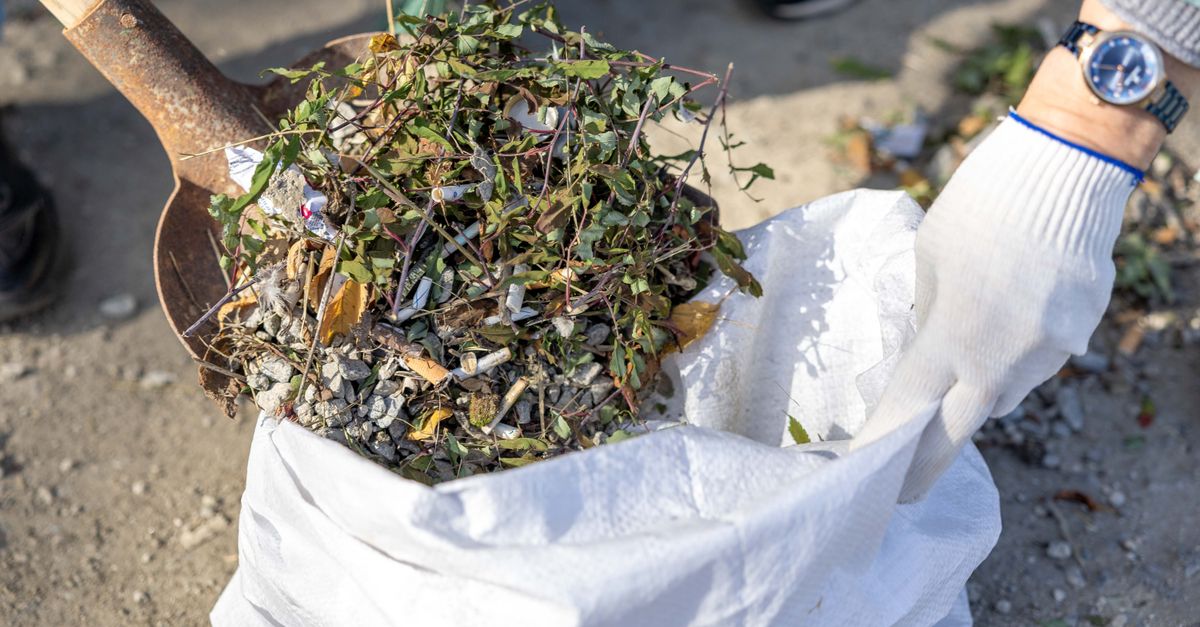
I’ve spent more than a decade watching lawns go from drab to fab, and the first step is always finding reliable local yard cleanup experts. Whether you’re a homeowner wanting a tidy backyard or a business needing a pristine exterior, the right team can make all the difference. Below I break down what to look for, how to apply healthy lawn care strategies, and why pet-safe treatments matter.
Choosing the Right Local Yard Cleanup Experts
The market is crowded with companies that promise quick fixes but deliver mediocre results. When vetting a crew, start by checking their experience with both residential and commercial sites. A seasoned operator will have a record of handling varied landscapes, from small suburban gardens to expansive corporate campuses.
What to Look For
- Verified certifications (e.g., IICRC, local green certifications)
- Transparent pricing with itemized quotes
- Clear communication channels and response times
- Use of eco‑friendly equipment and disposables
- Positive client testimonials and case studies
If a company can’t provide references or refuses to discuss their processes, that’s a red flag. A good expert will show you how they’ll tackle debris removal, lawn grading, and pre‑planting soil preparation.
Additional Vetting Tips
- Insurance and Licensing: Confirm the crew holds liability insurance and any required local permits to protect both you and the workers during heavy equipment use.
- Equipment Maintenance: Ask about routine maintenance schedules for mowers, trimmers, and leaf blowers; older machinery often leads to uneven cuts or missed spots.
- Seasonal Flexibility: Reliable companies offer multi‑season contracts that cover spring cleanups, fall leaf removal, and winter preparation without surprise fees.
- Environmental Stewardship: Inquire about waste disposal methods—do they recycle mulch, compost organic debris, or have a partnership with local landfills?
These extra questions help ensure the crew not only cleans but also preserves your yard’s health for years to come.
Implementing Healthy Lawn Care Strategies for Residential Homes
Once the yard is cleared, maintaining a healthy lawn requires routine care. I’ve tested several approaches over the years; here are the ones that consistently yield lush, resilient turf.
Key Strategies
- Regular aeration to relieve soil compaction and boost oxygen flow.
- Top‑dressing with a thin layer of compost or fine sand to improve drainage.
- Seasonal fertilization using slow‑release formulas tailored to your grass type.
- Integrated pest management, combining biological controls with targeted sprays.
- Consistent mowing height (usually 2–3 inches) to strengthen blades.
Adopting these practices reduces the need for frequent weed spraying services, keeping your lawn healthy and green without over‑reliance on chemicals.
A Step‑by‑Step Routine
- Mowing: Cut only one-third of the grass blade each time; use a sharp blade to avoid tearing.
- Watering: Deep, infrequent watering (20–30 minutes every 3–5 days) encourages deep root growth. Morning application prevents evaporation and fungal growth.
- Aeration: Use either spike or plug aerators; plugs leave holes that fill with soil, while spikes create small perforations—choose based on soil type.
- Top‑Dress: Spread a ¼‑inch layer of well‑milled compost before the first cut of spring to lock in moisture and nutrients.
- Fertilization: Apply a balanced NPK mix (e.g., 10-10-10) at the start of each season, then follow up with a nitrogen boost mid‑summer.
These steps create a resilient ecosystem that naturally suppresses weed growth and disease.
Weed Spraying Services: Effectiveness and Safety
Even with diligent care, weeds can appear. When choosing a spray service, consider both efficacy and environmental impact. I’ve observed that the best providers balance these two factors deftly.
Pros, Cons, and Tips for Choosing a Sprayer
- Pro: Quick eradication of invasive species.
- Con: Potential chemical runoff if not applied correctly.
- Tip: Opt for spot‑treatments over blanket applications to conserve resources.
- Choose products labeled “pet‑safe” or with low toxicity ratings.
- Schedule post‑spray watering 48 hours after application.
When you pair a reputable weed spraying service with the healthy lawn strategies above, your yard stays robust and less prone to future infestations.
Safe Application Practices
- Read Labels Thoroughly: Ensure the active ingredient targets the specific weed species you’re dealing with.
- Protective Gear: Wear gloves, goggles, and long sleeves; some sprays can irritate skin or eyes.
- Timing: Apply during cooler parts of the day (early morning or late afternoon) to minimize volatilization and drift.
- Buffer Zones: Keep at least 6–12 inches between spray zones and any edible gardens or pet play areas.
Lawn Care for Businesses: What Sets Commercial Needs Apart
Commercial properties face higher foot traffic and stricter safety regulations. The stakes are higher, so the approach must be more systematic.
Commercial Considerations
- Hardscaping maintenance (walkways, retaining walls).
- Scheduled grading to prevent erosion during heavy rains.
- Compliance with local environmental and safety codes.
- Use of low‑maintenance grasses or synthetic turf for high‑traffic areas.
- Regular inspections by a licensed groundskeeper.
Hiring local yard cleanup experts who specialize in business lawns ensures that both aesthetics and compliance are met, giving you peace of mind while visitors enjoy a clean environment.
Business‑Specific Best Practices
- Color‑Coded Mowing: Use different mowing heights for parking lanes versus entryways to maintain uniform appearance while accommodating heavy traffic.
- Drainage Planning: Install French drains or swales in low spots; this prevents water pooling that attracts pests and damages signage.
- Seasonal Signage: Place “Pet‑Friendly” signs where animal activity is expected, reinforcing safety protocols for both staff and visitors.
Pet‑Safe Lawn Treatments: Protecting Furry Friends While Maintaining Lush Turf
With three dogs at home – Bella, Sky, and Snowball – I know how important it is that lawn care chemicals don’t harm pets. The market now offers numerous pet-friendly options.
Top Pet‑Safe Products and Practices
- Biodegradable mulch to deter digging without toxins.
- Non‑toxic weed killers such as vinegar‑based blends.
- Organic lawn fertilizers with no synthetic nitrogen.
- Regular soil testing to keep pH at pet‑friendly levels (6.5–7.0).
- Use of citrus‑derived sprays that repel pests without harming animals.
By integrating these pet‑safe treatments into your routine, you safeguard your dogs while keeping the lawn healthy and attractive.
Practical Tips for Pet Owners
- Timing: Apply treatments when pets are indoors; schedule a 24‑hour waiting period before allowing outdoor access.
- Spill Management: Keep spill kits handy—rubbing alcohol and paper towels can neutralize most pet‑friendly chemicals quickly.
- Monitoring: Observe your pets for any signs of irritation after new products; if you notice itching or vomiting, contact a vet immediately.
In my experience, a well‑executed cleanup followed by regular aeration and spot‑treatment weed control reduced lawn maintenance time by 40% over two seasons.
What specific challenges have you faced when balancing pet safety with effective lawn care?


