
Lawn disease management in Fremont, CA
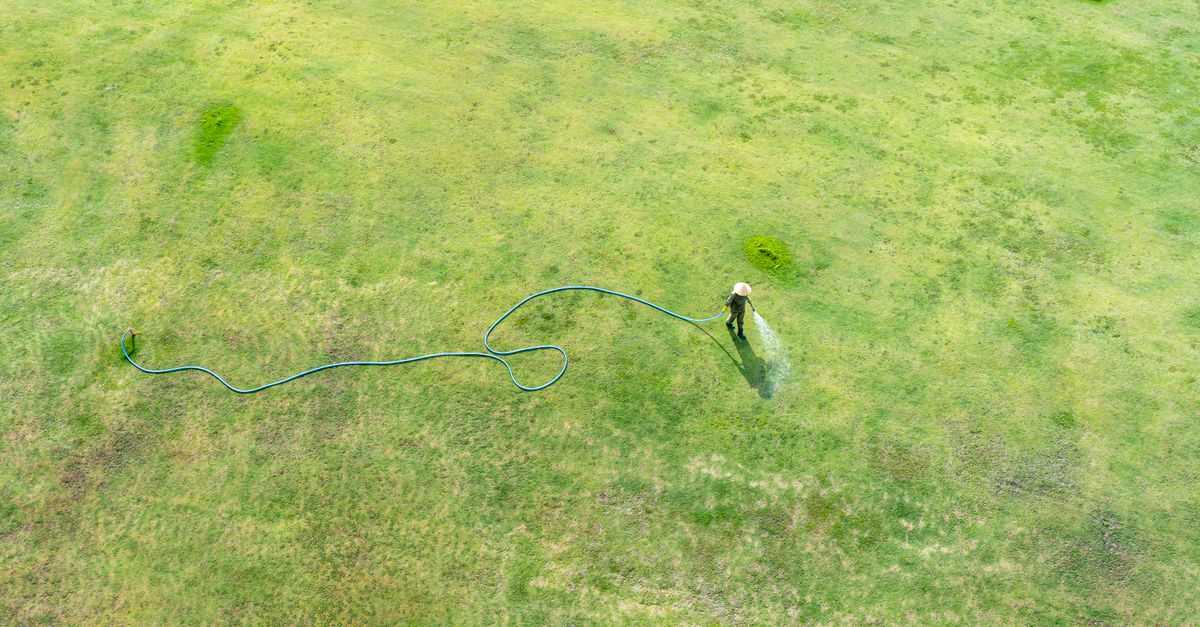
Fremont’s Mediterranean climate can be a double‑tossed coin: it gives lush lawns but also favors fungal blight. If you notice brown patches or yellow streaks, it may not just be a watering issue—your turf could be fighting disease.
Because the region experiences warm, dry summers and cool, wet winters, many pathogens find an ideal niche in the soil and on the grass blades. Understanding how these conditions interact with your lawn’s biology is the first step toward keeping it healthy year after year.
What is lawn disease management?
Lawn disease management refers to the systematic approach of identifying, preventing, and treating fungal or bacterial conditions that damage grass. In Fremont, CA, where summer heat stresses plants, early intervention saves time, money, and green space.
Effective management blends science with routine care: you monitor your turf for warning signs, test soil parameters, adjust cultural practices, and apply targeted treatments when necessary. This proactive mindset turns a reactive crisis into a manageable maintenance task.
Common lawn diseases in Fremont
Brown patch (Rhizoctonia)
Affects cool‑season grasses, creating irregular brown spots that expand quickly. It thrives in moist, poorly drained soils.
Typical symptoms include large, circular patches with a slightly raised edge and a dark brown center. The disease often appears in late summer or early fall when temperatures hover between 70–90°F and rainfall is frequent.
Dollar spot (Sclerotinia)
Shows as small, circular patches with a yellow halo. It’s common in warm, humid weather and can spread rapidly if left untreated.
To confirm dollar spot, look for the distinctive “dollar‑shaped” lesions that may leave a faint powdery residue. The pathogen thrives when soil moisture remains high for several hours each day.
Chlorosis (nutrient deficiency)
Not a disease per se but often mistaken for one; it causes yellowing due to lack of iron or nitrogen.
Yellow leaves usually begin at the leaf tips and progress inward. Soil tests can reveal low pH levels that lock iron, while visual inspection helps distinguish it from fungal browning.
Root rot (Phytophthora)
Occurs when roots decay under excess moisture, leading to wilting and brown leaves. It’s devastating if not caught early.
Signs include a sudden drop in grass vigor, stunted growth, or patches that feel soft and spongy when pressed. Phytophthora thrives in saturated soils, making proper drainage essential for prevention.
Signs you need professional help
If your lawn has:
- Progressive brown or yellow patches that spread despite proper watering.
- Unusual growth patterns like ragged edges or thinning areas.
- Visible fungal structures (e.g., powdery mildew).
- A persistent “sweet” odor indicating decay.
These symptoms suggest an active infection. DIY fixes often miss the root cause, so a professional assessment is advisable.
Prevention strategies
Prevention saves money and preserves turf health. Focus on:
- Soil testing: Check pH and nutrient levels every 3–5 years to ensure optimal conditions for your grass species.
- Proper mowing: Keep blades at the correct height for your grass type; cutting too short can weaken stems and make them more susceptible to attack.
- Irrigation management: Water early in the morning, avoid overwatering, and allow soil to dry between sessions. This reduces leaf wetness, a key factor for many fungal spores.
- Drought‑resistant varieties: Consider switching to grasses that thrive with less water—such as tall fescue or perennial ryegrass blends—especially in high‑heat zones of your yard.
- Fertilizer timing: Apply nitrogen in late spring; avoid heavy feeds during peak heat, which can create lush growth that attracts pests and pathogens.
In addition, creating a balanced ecosystem with companion plants and beneficial insects can naturally suppress pathogen populations. A small buffer of ornamental grass or native shrubs around the lawn’s perimeter helps trap excess moisture and improve air circulation.
Treatment options and application methods
When a pathogen is confirmed, targeted treatments follow:
- Fungicides: Use selective sprays that match the identified fungus. Rotate active ingredients to prevent resistance. Follow label instructions for optimal timing—most fungicides are most effective when applied before symptoms appear.
- Biological controls: Introduce beneficial organisms like Trichoderma that outcompete harmful fungi, or Bacillus subtilis sprays that strengthen the lawn’s natural defenses.
- Resistant seed mixes: Re‑seed affected areas with disease‑tolerant varieties, especially in zones prone to high humidity or poor drainage.
- Water management: Reduce humidity around the lawn by improving drainage or adding mulch to keep soil drier. Installing a French drain can divert excess water away from root zones.
Application timing is critical; most fungicides perform best when applied before symptoms appear, but treatments can still be effective after onset if the pathogen hasn’t fully colonized. A follow‑up inspection after 7–10 days helps gauge efficacy and decide whether a second application is needed.
Choosing a local Lawn Care provider
Selecting a reputable contractor involves more than price. Look for:
- Certified technicians with knowledge of Fremont’s specific climate and soil types.
- Transparent service plans that outline scope, frequency, and costs so you know exactly what you’re paying for.
- Positive reviews from neighbors in similar neighborhoods—local experience matters more than distant accolades.
- Warranty or follow‑up visits to ensure lasting results; a provider who stands behind their work will schedule a check‑in after treatment.
A provider who offers a clear treatment timeline can help you avoid costly reapplications and keep your lawn looking its best.
One‑time yard cleanup role
A thorough yard cleanup removes debris that can trap moisture and foster fungal growth. Tasks include:
- Leaf litter removal.
- Weed extraction before they seed.
- Pruning overgrown shrubs to improve airflow.
- Clearing clogged drains or gutters.
This single intervention can reduce disease incidence by up to 30% in the first growing season. It also sets a clean stage for any upcoming fertilization or aeration plans, ensuring that nutrients reach the root zone more efficiently.
Weed spraying services support
Weeds compete for nutrients and water, creating favorable conditions for pathogens. Professional weed control includes:
- Selective herbicides that target broadleaf or grassy weeds.
- Organic options like vinegar blends for sensitive lawns.
- Manual removal of stubborn species during the dormant season to prevent seed buildup.
Integrating weed management with disease prevention creates a healthier ecosystem on your property. A well‑maintained lawn is less attractive to pests, and fewer weeds mean lower humidity around grass blades—an important factor in reducing fungal spread.
Grass treatment plans and maintenance schedules
A structured plan keeps your lawn resilient. Typical schedules involve:
- Spring: Soil test, fertilization, pre‑emergent herbicide to control crabgrass, and a light aeration if the soil feels compacted.
- Summer: Mid‑season fertilizer, overseeding of thin spots, and a targeted fungicide application if early signs of brown patch appear.
- Fall: Post‑mowing fertilization to replenish nutrients lost during summer, overseeding for thinning areas, and a final lawn inspection before dormancy.
Each phase addresses specific stressors—heat, pests, or nutrient gaps—that can lead to disease. By following this rhythm, you create a lawn that is both lush and resilient against common pathogens.
Complete lawn care packages overview
Many local firms bundle mowing, fertilization, pest control, and disease prevention into a single subscription. Benefits include:
- Simplified billing—one invoice covers all services.
- Consistent coverage across all seasons, so you never miss a critical treatment window.
- Priority scheduling for emergencies, ensuring quick response if a sudden outbreak occurs.
When choosing a package, confirm the inclusion of diagnostic visits and treatment protocols tailored to Fremont’s climate. Look for providers who offer seasonal adjustments—more frequent aeration in summer, heavier fertilization in spring—to match your lawn’s evolving needs.
Cost considerations and budgeting
Pricing varies by service scope, but typical ranges are:
- One‑time cleanup: $150–$300.
- Weed control spray: $200–$400 per visit.
- Fungicide treatments: $250–$500 depending on acreage.
- Annual packages: $800–$1,600 for full coverage.
Investing in preventive care often saves thousands compared to reactive treatments after a severe outbreak. Budget 10–15% of your total landscaping budget for lawn health services each year and consider seasonal discounts offered by local providers during off‑peak months.
Final thoughts and next steps
In my own yard, a quick diagnostic revealed brown patch early last spring; treating it within 48 hours prevented an entire season of loss. The key is to act fast—waiting only shortens the window for effective intervention. If you’re in Fremont and notice any of the signs above, reach out to a local Lawn Care professional today. They can assess your turf, recommend precise treatments, and schedule preventive services that fit your budget.
Remember, lawn health is an ongoing partnership between you and the care provider. Regular check‑ins, soil testing, and timely adjustments keep disease at bay while maximizing the natural beauty of your green space.
What symptoms first prompted you to seek professional lawn care assistance?


