
How to Maintain a Lush Lawn for Rental Properties in 2026
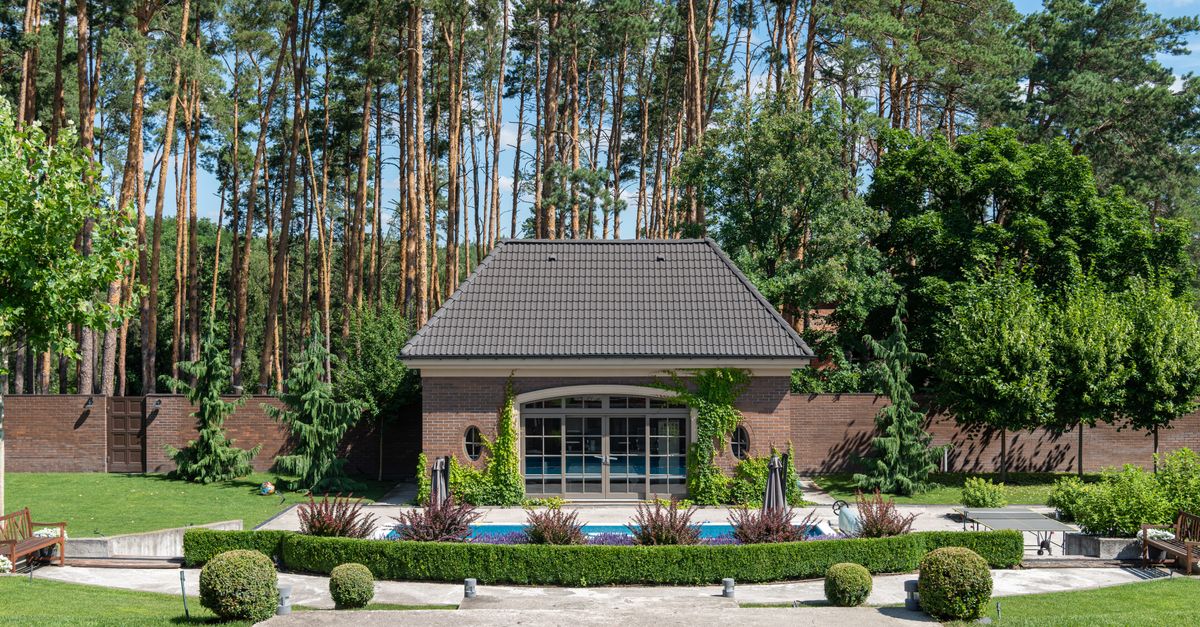
Landlords, whether managing a single unit or a commercial campus, know that a well‑maintained lawn is often the first impression tenants and visitors receive. The challenge is balancing cost, time, and environmental responsibility while keeping turf safe for pets and resilient to seasonal stresses.
1. Understanding the Value of Lawn Care for Rentals
A manicured yard can boost property value by up to 10% and shorten vacancy periods. Tenants pay a premium for curb appeal that signals professionalism, and commercial sites benefit from a healthy lawn that supports brand image and foot traffic.
Beyond looks, regular maintenance cuts long‑term costs: fewer repairs, lower pest problems, and less water waste. Investing in routine upkeep now prevents costly remediation later.
Key Benefits of Regular Lawn Upkeep
- Higher rental rates: Attractive landscapes justify increased rent.
- Reduced maintenance costs: Early weed control stops invasive growth.
- Improved tenant satisfaction: A pleasant outdoor space encourages longer stays.
- Environmental compliance: Pet‑safe chemicals and efficient irrigation meet regulations.
A vibrant green lawn instantly welcomes tenants, often tipping the scale when comparing listings. It also reflects overall property management quality, leading to higher retention and fewer lease disputes.
2. Choosing the Right Grass and Soil for Different Environments
The foundation of a reliable lawn is its grass type. Cool‑season varieties such as Kentucky Bluegrass or Tall Fescue thrive in northern climates, while warm‑season Bermudagrass or Zoysia perform best south of the 35th parallel. Durability and low upkeep are key for rentals.
Soil testing before seeding is essential. A pH of 6.0–7.0 suits most turf species; lime raises acidity, sulfur lowers it, and adding organic matter improves drainage and root development.
Choosing Grass for Rental Use
- Kentucky Bluegrass: Fine texture, resilient to foot traffic.
- Tall Fescue: Shade tolerant, low water needs.
- Bermudagrass: Heat‑tolerant, recovers quickly after mowing.
- Zoysia: Drought resistant, dense growth suppresses weeds.
Select a turf that matches tenant use patterns. Properties with active dog owners may benefit from hybrids that endure heavy foot traffic and occasional compaction. Remember mowing height: Kentucky Bluegrass prefers 2–3 inches; Bermudagrass stays best at 1–2 inches during peak heat.
3. Scheduling Regular Upkeep: Mowing, Watering, Fertilizing
Mowing frequency depends on grass type and season. Cool‑season grasses generally need a 1–2 inch cut in spring and fall; warm‑season varieties require shorter heights during hot months to reduce water loss.
Follow the “deep and infrequent” rule: deliver 1–1.5 inches of water per week, ideally early morning to limit evaporation. Smart irrigation controllers adjust schedules based on weather data, cutting both cost and waste.
Fertilization aligns with growth cycles. Use a balanced NPK mix in spring, then switch to a higher phosphorus blend in late summer to strengthen roots before winter dormancy.
Seasonal Maintenance Calendar
- Spring (Mar‑May): Aerate, overseed, first mowing.
- Summer (Jun‑Aug): Regular watering, weed control, pest monitoring.
- Fall (Sep‑Nov): Fertilize, dethatch, winter prep.
- Winter (Dec‑Feb): Minimal activity; monitor snowmelt and drainage.
Keep a maintenance log tracking mowing heights, water volumes, and fertilizer applications. This data helps spot trends—such as sudden weed growth after heavy rain—and refine your strategy.
4. Pet‑Safe Treatments and Managing Animal Impact
Tenant pets can create uneven patches, compact soil, and increase chemical use risks. Choosing pet‑safe products eliminates poisoning while preserving turf health.
Organic mulches around walkways curb weed growth and shield pets from hot surfaces. A dog‑friendly patch with tolerant grasses absorbs grazing without damage.
Pet‑Safe Product Checklist
- Herbicides: Non‑toxic options such as clopyralid or dicamba blends labeled “pet safe.”
- Fertilizers: Low‑phosphate formulations to prevent nutrient runoff into pet urine.
- Pest control: Botanical insecticides like neem oil instead of synthetic chemicals.
- Mowing tools: Sharp blades reduce tear damage, preserving grass for pets.
Structural design also mitigates pet impact. A dedicated “dog zone” made of resilient turf or a gravel patio offers an alternative play area, reducing lawn exposure to heavy traffic and digging. Clear signage informs tenants where they can walk their pets safely.
5. Commercial vs Residential Needs: Scaling Up Maintenance
Commercial lawns cover larger areas and endure higher foot traffic from visitors and employees. They require reinforced irrigation lines, heavier‑duty mowers, and scheduled crews.
Residential lawns can follow a single tenant’s schedule but must accommodate varied usage patterns. Providing clear guidelines—mowing heights, pet zone boundaries—maintains consistency.
Scaling Considerations
- Equipment: Commercial sites benefit from riding mowers; residential units often use push mowers.
- Labor: Outsourcing to a professional lawn service ensures regularity for large properties.
- Technology: Smart sensors monitor moisture and soil health across expansive plots.
- Budgeting: Allocate 10–15% of total maintenance costs to lawn care for commercial sites; 5–7% suffices for most rentals.
Mixed‑use developments need segmented plans. Separate irrigation zones allow tailored watering schedules, while distinct mowing plans meet differing aesthetic expectations between tenants and visitors.
6. Cost Considerations and ROI Analysis
The initial investment covers soil prep, grass selection, irrigation installation, and equipment purchase or lease. Ongoing costs include labor, chemicals, water usage, and periodic re‑seeding or patching.
ROI can be measured by comparing vacancy rates and rental income before and after lawn upgrades. A 10–15% increase in property value often leads to higher rent, paying back maintenance costs within two to three years.
Sample Cost Breakdown (per acre)
- Initial setup: $3,000 – $5,000
- Annual irrigation & utilities: $1,200 – $2,400
- Mowing & labor: $800 – $1,500
- Pet‑safe chemicals: $300 – $600
- Total annual cost: $3,100 – $5,000
Create a spreadsheet that records monthly rent and subtracts maintenance expenses. Over time you’ll see cumulative savings from reduced weed management and fewer tenant complaints. This data also strengthens negotiations with long‑term tenants who value well‑maintained common areas.
7. Common Mistakes Landlords Make and How to Avoid Them
A frequent error is neglecting soil health; without proper pH balancing or organic matter, even the best grass can fail under stress. Over‑watering during summer weakens roots and increases drought susceptibility.
Ignoring pet considerations often leads to turf damage requiring costly re‑seeding. Inconsistent mowing heights create visual disarray and uneven wear, shortening a lawn’s lifespan.
Quick Fixes for Avoidable Errors
- Regular soil testing: Quarterly tests keep pH optimal.
- Irrigation scheduling: Weather‑based controllers adjust water volume.
- Pet zone designation: Install a high‑tolerance patch and clear signage.
- Mowing routine: Follow manufacturer recommendations for grass type.
A hidden mistake is mistiming fertilization. Nitrogen applied too late encourages lush top growth that’s disease prone; early applications may wash away. Aligning fertilizer with natural growth spurts ensures efficient absorption.
The most critical insight: investing in preventive care—soil health, proper irrigation, and pet‑safe strategies—yields long‑term savings and tenant satisfaction.Properties that adopt a proactive maintenance schedule experience fewer complaints and lower turnover. Treat lawn care as an integral part of property management, not an afterthought.
What specific challenges have you encountered when balancing pet safety with aesthetic expectations in your rental properties?


