
How to Keep Your Yard Pest-Free and Ready for Spring in 2026?
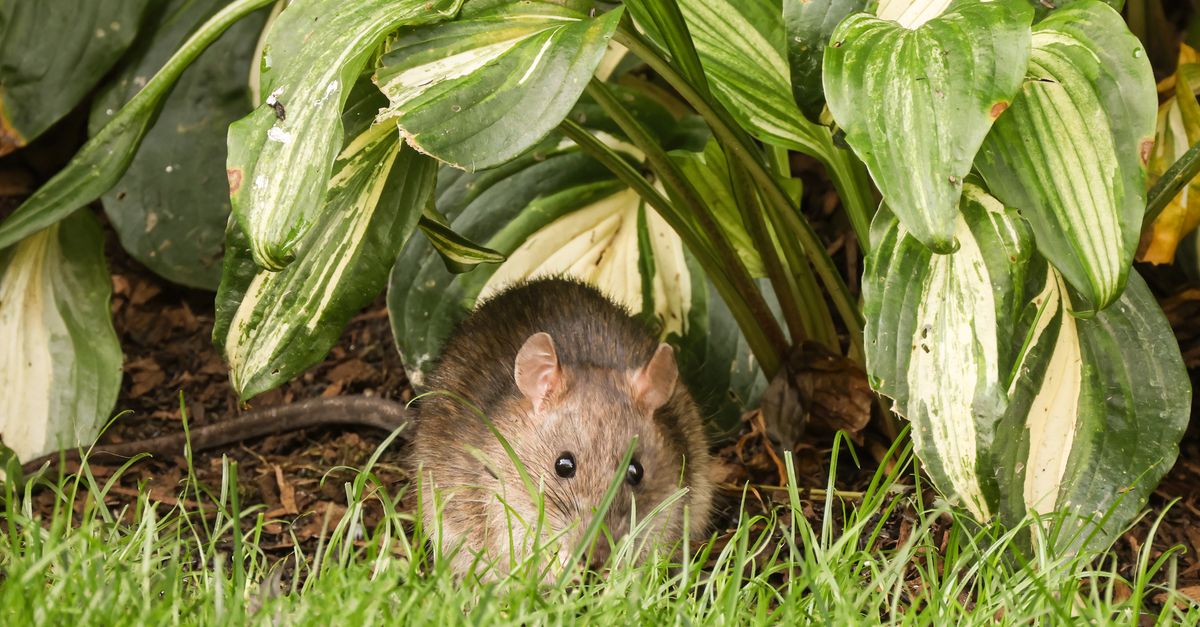
Spring arrives with a burst of color, but it also brings an uptick in pests that can ruin a freshly trimmed lawn or the pristine grounds of an event space. The challenge is twofold: preventing infestations before they start and restoring the yard after winter’s wear. In this review I break down practical steps for yard pest prevention, spring cleanup, seasonal treatments, organic care, and special considerations for event lawns.
1. Yard Pest Prevention Basics
Effective pest control starts with a healthy lawn that resists invaders. A dense turf creates a physical barrier against insects and rodents, while proper irrigation deters root rot that attracts pests. I focus on three core practices:
Key Components of a Pest‑Resistant Lawn
- Proper mowing height. Taller grass shades the soil and reduces weed germination. In most regions 3–4 inches is optimal, but in hotter climates raising to 5 inches can provide additional shade.
- Balanced fertilization. Avoid over‑feeding; nutrients should match soil tests. Use a slow‑release granular fertilizer that matches the nitrogen (N), phosphorus (P) and potassium (K) ratios recommended for your turf type.
- Regular aeration. Improves root oxygen and water uptake. Core aeration once a year in early fall, or spike aeration every 6 months in high‑traffic areas.
- Integrated pest monitoring. Use sticky traps, pheromone lures, or digital sensors to catch early signs. Place traps near edges where pests enter; rotate them monthly for the most accurate data.
- Biological controls. Introduce beneficial nematodes or predatory insects that target common pests. For example, nematodes can reduce grubs, while ladybugs suppress aphids.
By layering these measures, I can reduce the need for chemical treatments and keep my yard looking lush through 2026.
2. Spring Yard Cleanup: Timing, Tasks, and Tools
Spring cleanup is the first step toward a healthy lawn after winter’s debris buildup. The goal is to remove dead material, reset soil pH, and prepare for fertilization.
I follow a four‑step routine:
Step‑by‑Step Spring Cleanup Process
- Clear leaves and branches. Use a leaf blower or rake; discard onto mulch piles to recycle nutrients. If you have heavy leaf litter, consider a mulching mower to break it down into fine material that can be composted.
- Remove lawn clippings. A high‑capacity mulcher turns clippings into fine compost that returns nitrogen to the soil. This step also prevents mold growth during the wet season.
- Test soil pH. Aim for 6.0–7.0; adjust with lime or sulfur as needed. Record your baseline readings so you can track changes over time and avoid over‑liming in subsequent years.
- Reapply mulch to garden beds. Adds insulation, controls temperature swings, and deters pests like slugs by creating a physical barrier.
- Inspect irrigation lines. Flush to eliminate clogs that could stress the lawn. Check for leaks or low‑pressure zones that may create uneven moisture distribution, which is a common attractant for fungal diseases.
For a yard the size of my family’s, this process takes about two days. The result is a clean canvas ready for seasonal treatments.
3. Seasonal Treatments & Organic Lawn Care
Seasonal treatments address specific pest cycles and nutrient needs. I combine conventional and organic methods to balance efficacy with environmental stewardship.
My treatment schedule looks like this:
Year‑Round Treatment Calendar
- Early Spring (March–April). Apply a pre‑emergent herbicide; follow with an organic neem oil spray for aphids. Timing is critical—apply before the first week of warm temperatures to maximize pre‑emptive protection.
- Late Spring (May–June). Use a selective insecticide if grubs appear; rotate to a bio‑based product after 12 weeks to avoid resistance buildup.
- Summer (July–August). Apply potassium sulfate for heat stress, and continue neem oil for whiteflies. Incorporate a light overseeding of cool‑season grasses in late summer to maintain green cover during the hot months.
- Fall (September–October). Treat with a granular fertilizer rich in nitrogen; apply an organic copper fungicide to prevent rust. This timing ensures that nutrients are absorbed before winter dormancy begins.
- Winter Prep (November–December). Reduce mowing frequency; install a mulching layer over beds to suppress weed germination and protect roots from freeze‑thaw cycles.
The organic side of my regimen focuses on compost tea, bio‑fertilizers, and beneficial insects. While these products are typically less potent than synthetic chemicals, their cumulative effect is strong when used consistently. I monitor results via leaf‑level scouting; if pest pressure rises, I supplement with a targeted chemical for that season.
4. Lawn Care for Event Spaces
Event lawns demand an extra layer of precision: they must stay flawless under foot traffic and look immaculate to guests. My approach includes:
Specialized Steps for High‑Traffic Lawns
- Surface reinforcement. Install a lightweight turf overlay or interlocking mats in high‑use areas to distribute weight evenly and reduce soil compaction.
- Rapid repair system. Keep a small stock of pre‑cut grass plugs for quick patching. Store them in a cool, shaded area so they remain viable during long events.
- Scheduled irrigation. Automate with smart controllers that adjust flow based on weather data and real‑time moisture readings. A well‑timed watering schedule keeps the turf lush without over‑watering, which can attract pests.
- Visual inspection routine. Conduct a walk‑through before every event to catch any wear or pest signs. Mark problem spots with discreet flags so maintenance crews can address them immediately.
This method keeps the lawn resilient, reduces maintenance downtime, and satisfies my clients’ aesthetic standards. For example, during a recent wedding I used a temporary protective mat over the ceremony area; it prevented visible footprints while maintaining a natural look for guests.
5. Integrating Smart Tech in Yard Maintenance
The modern yard manager relies on data. I use a combination of sensors and cloud dashboards to streamline decisions:
- Irrigation smart controllers. Adjust watering schedules by soil moisture readings, reducing water waste by up to 30 % during dry spells.
- Pest detection drones. Capture high‑resolution imagery that flags hotspots. While not yet mainstream for residential lawns, small drones can survey large event spaces quickly.
- Mobile apps. Log treatment dates, soil test results, and budget tracking. Many platforms offer reminders so you never miss a critical application.
- AI‑driven analytics. Predict pest outbreaks based on weather patterns, local pest history, and real‑time sensor data. This proactive approach can save time and resources before problems become visible.
These tools reduce labor and chemical usage while maintaining a high level of yard health. The learning curve is modest; most platforms offer tutorials that get you up to speed within a week. Even if you prefer manual methods, having a baseline data set from sensors can inform more precise decisions later on.
6. Practical Year‑Round Checklist
Below is an actionable checklist I use each year. Tick off the items as you go, and adjust based on your specific yard conditions.
- Mowing schedule. 1–2 times per week in spring/summer; reduce to 1 time per month in fall/winter.
- Irrigation monitoring. Check moisture levels weekly during dry spells. Use a simple soil probe or an app‑connected sensor for accuracy.
- Pest scouting. Inspect every lawn section bi‑weekly for signs of damage or infestation. Keep a small notebook to record locations and findings.
- Soil testing. Conduct a full test in late fall and again after any major treatment. This helps you adjust nutrient plans without over‑feeding.
- Equipment maintenance. Sharpen mower blades, clean irrigation heads, and calibrate sensors monthly to keep performance high.
- Budget review. Track expenses for fertilizers, pesticides, and tech tools quarterly. Compare against your goals for cost efficiency and environmental impact.
- Winterization steps. Store lawn equipment in a dry place; cover beds with mulch or straw to protect roots from freeze‑thaw cycles.


