
How to Keep Rental Property Lawns Healthy and Profitable in 2026
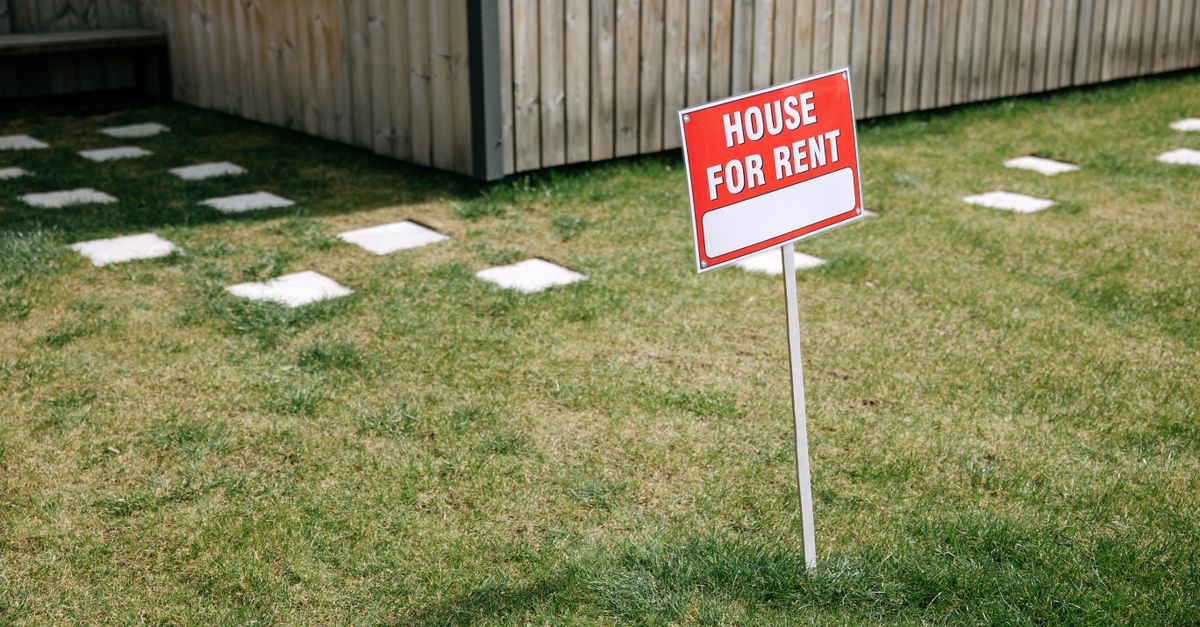
When I look at a vacant rental lot, the first thing that jumps out is the lawn. A well‑mown, green yard isn’t just pretty—it’s a tangible asset that can boost curb appeal, attract higher rents, and reduce maintenance costs over time. In 2026, landlords who treat lawns like any other property asset are reaping the benefits.
1. Understanding the Value of Lawn Care for Rentals
Lawns are more than grass; they’re a marketing tool, a safety feature, and a revenue driver. A healthy lawn reduces erosion, keeps pests at bay, and improves indoor air quality for tenants. From a financial perspective, a pristine yard can justify a rent increase of 5–10 %, offsetting the cost of regular care.
Key benefits to consider:
- Higher tenant satisfaction and retention rates
- Reduced liability from slip‑and‑fall hazards
- Lower long‑term maintenance expenses due to preventive care
- Improved property value for resale or refinance
- Positive online reviews that attract future renters
- Compliance with HOA or city landscaping regulations
I’ve seen properties go from “meh” to “wow” simply by investing in a lawn. The ROI is often realized within the first rental cycle.
Choosing the Right Grass for Your Climate and Use
Not all grasses are created equal, and the right selection can make maintenance easier and more cost‑effective. For example, cool‑season grasses like Kentucky bluegrass thrive in northern climates with cooler summers, while warm‑season varieties such as Bermuda or Zoysia perform better in southern regions where heat is higher.
When selecting a species, consider:
- Foot traffic tolerance: high‑traffic zones—like walkways and entry points—benefit from hardy, dense grasses that resist wear.
- Drought resilience: drought‑tolerant blends reduce water usage and keep the lawn looking lush during dry spells.
- Maintenance time: some varieties require more frequent mowing or specialized fertilization schedules.
- Aesthetic preference: fine‑leaf lawns appear softer, while coarse leaves give a rugged look that may appeal to certain tenants.
Matching the grass type to your location and usage pattern can cut both labor and water costs while enhancing curb appeal.
2. Key Components of Regular Lawn Upkeep
To keep a yard healthy, I focus on three pillars: mowing, fertilizing, and aeration. Each pillar supports the others, creating a resilient ecosystem that resists weeds and pests.
A balanced routine looks like this:
- Mow 2–3 times per week during peak growth (spring to early fall)
- Apply a balanced fertilizer every 6 weeks in spring, again in late summer
- Aerate once per year in early spring or late autumn
- Water deeply but infrequently—aim for 1 inch of water weekly
- Spot‑treat weeds with selective herbicides or organic options
- Inspect for drainage issues and patch any holes promptly
Mowing Techniques that Extend Life
A good mower is only part of the equation; how you use it matters. Set your blade height to 2–3 inches during active growth periods, then raise it by an inch or two when the grass is dormant. Cutting too short forces the plant into a defensive state that makes it more susceptible to disease.
Use a sharp blade and rotate cutting patterns each week to avoid creating a single direction of wear—this prevents ruts and encourages even root distribution.
Aeration: The Unsung Hero
Aeration breaks up soil compaction, allowing air, water, and nutrients to penetrate deeper. In my experience, skipping aeration leads to a compacted lawn that never truly thrives, regardless of how often you mow. If your property has heavy foot traffic or clay soils, consider a mechanical core aerator every 12–18 months.
Fertilization: Timing and Type
The balanced fertilizer schedule mentioned earlier works well for most lawns, but always tailor the NPK ratio to your grass species. For cool‑season grasses, a higher nitrogen content in spring promotes rapid green growth; warm‑season varieties benefit from more phosphorus in late summer to encourage root development.
3. Choosing the Right Yard Cleanup Services
Professional yard cleanup can be a game changer for busy landlords. When selecting a service, look beyond price; assess reliability, equipment quality, and environmental practices.
Questions to ask potential providers:
- Do you use eco‑friendly mulches or organic debris disposal?
- What is your experience with commercial rental properties?
- Can you provide references from other landlords?
- How do you handle seasonal leaf removal and snow clearing?
- What equipment do you bring for heavy-duty yard work?
- Are you insured and bonded for liability protection?
Service Bundles That Save Money
Many companies offer tiered packages: a basic trim, an intermediate deep clean, or a premium maintenance plan that includes seasonal aeration and fertilization. By bundling these services with your irrigation or pest control provider, you often secure a discount while ensuring consistency across all aspects of lawn care.
The Value of Subscription Models
My partnership with a local service that offers a subscription model—quarterly deep clean plus monthly trim—has saved me time and kept the property looking sharp. The predictable schedule also prevents last‑minute rush jobs during peak seasons, which can drive up costs.
4. Seasonal Maintenance Calendar
Lawns behave differently each season. Planning ahead ensures you’re not scrambling during peak times.
A 2026 calendar for a typical temperate zone:
- January–February: Inspect irrigation, schedule mulch replacement
- March–April: Spring fertilization, aeration, weed suppression
- May–June: Mowing frequency increases to weekly; monitor pest activity
- July–August: Deep watering during dry spells; address any lawn scorch
- September–October: Fall fertilizer, seed overseeding if needed
- November–December: Leaf removal, winter prep for irrigation systems
Winterizing Your Lawn
Even in mild winters, early snow can compact the soil. Schedule a pre‑winter aeration to reduce compaction risk and protect root health. Keep mulch layers between 2–4 inches to insulate roots during colder months.
Spring Readiness Checklist
- Test soil pH with a kit; adjust if needed to maintain an optimal range (6.0–7.0).
- Inspect for lingering debris from winter storms that could harbor pests.
- Verify irrigation zones are not clogged or leaking before the first watering of the season.
5. Common Mistakes and How to Avoid Them
Even seasoned property owners can slip into bad habits that undermine lawn health.
Top pitfalls:
- Over‑watering, leading to root rot and increased water bills
- Using the wrong fertilizer ratio for your grass type
- Skipping aeration, causing soil compaction
- Neglecting drainage issues that create standing water
- Applying herbicides without proper identification of weeds
- Leaving debris to decompose on the lawn surface
- Ignoring pest scouting until infestations are severe
Water Management Best Practices
Smart irrigation controllers that adjust watering schedules based on real‑time weather data can cut water usage by up to 30 %. Install sensors in each zone, and set your system to only water when soil moisture is below a threshold.
Pest Scouting: The Early Warning System
Monthly inspections for signs of grubs, chinch bugs, or mole crickets allow you to treat early before damage escalates. Keep a simple log of pest sightings and treatments in a spreadsheet—this helps identify patterns and negotiate better rates with service providers.
6. Cost Management Tips for Landlords
The total cost of lawn care depends on property size, grass type, and service level. Here’s how to keep expenses in check without sacrificing quality.
Strategies:
- Bundle services with a single provider for better rates
- Use smart irrigation controllers that adjust watering based on weather
- Opt for seasonal contracts instead of hourly billing
- Choose native or drought‑tolerant grass varieties to cut water usage
- Implement a “no‑haul” policy for debris—leave it in the yard for mulch conversion
- Track maintenance costs in a spreadsheet to spot trends and negotiate upgrades
- Leverage tax deductions for landscaping expenses on rental properties
Capitalizing on Tax Deductions
Many jurisdictions allow landlords to deduct landscaping costs, including labor, equipment depreciation, and materials. Keep detailed receipts and work with a CPA familiar with real estate taxation to maximize your benefit.
7. DIY vs Professional: Making the Decision
Some landlords prefer to handle lawn care themselves; others outsource everything. The right choice depends on time, expertise, and scale.
Factors to weigh:
- Number of rental units—more units mean more labor
- Your own gardening skill level and interest
- The reliability and reputation of local service providers
- Potential for insurance claims if a DIY mishap occurs
- Long‑term savings versus upfront equipment costs
When DIY Makes Sense
I’ve kept a small 1.5‑acre property in the city where I mow and fertilize myself; it’s cost‑effective because the yard is manageable. For larger complexes, outsourcing ensures consistency and frees up time for tenant relations.
Hybrid Approach: DIY + Professional Touches
Some landlords combine hands‑on mowing with scheduled aeration or pest treatments by professionals. This model reduces labor while maintaining high standards—especially useful when seasonal weather limits DIY activity.
The single most impactful action: schedule a professional lawn audit at least once per year to identify hidden issues before they become costly problems.In my experience, landlords who treat their lawns as an investment rather than a chore see tenant turnover drop by 15–20 % and are more likely to receive positive online reviews that drive demand.
What’s the biggest lawn care challenge you face on your rental properties, and how have you addressed it?


