
How to Choose Cost‑Effective Lawn Maintenance Services for Commercial Properties
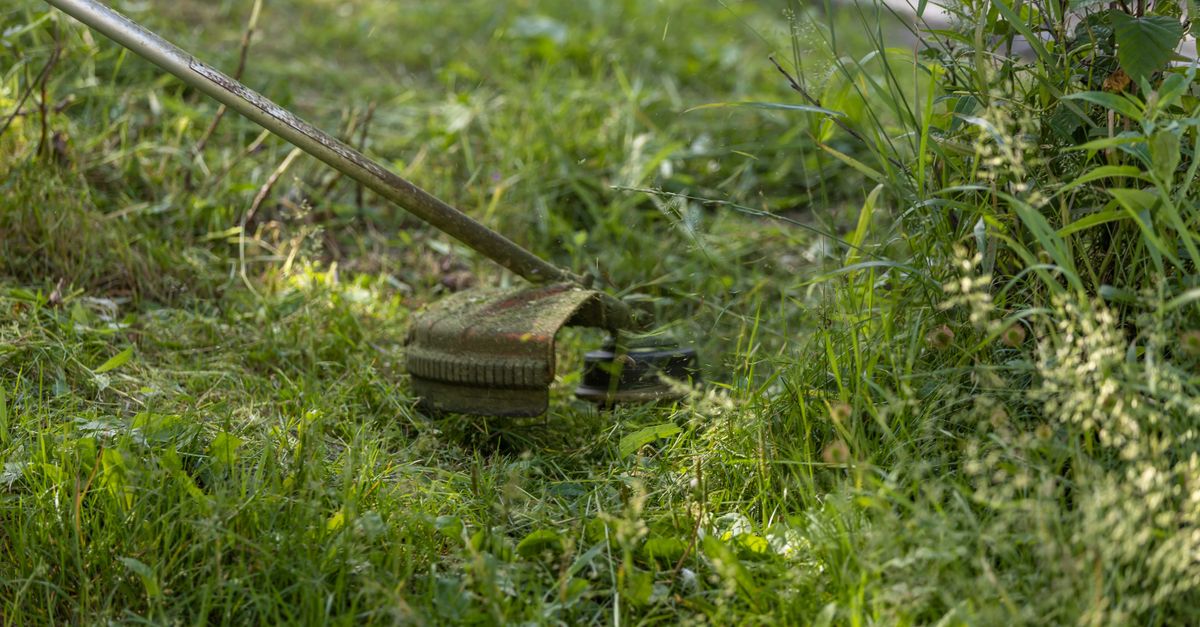
When the curb appeal of your business is on display every day, a well‑maintained lawn can be the first impression prospective clients see. Yet, many property owners overpay or under‑service their grounds because they don’t know how to pick the right maintenance partner or budget effectively. I’ve spent years evaluating vendors for office campuses, retail centers, and even golf courses, and this article distills that experience into a clear framework you can use today.
Understanding Your Lawn Care Needs
Before contacting a contractor, map out what your property actually requires. The type of grass, the amount of foot traffic, seasonal weather patterns, and surrounding landscaping all influence maintenance frequency and cost. Start with these three core questions:
Key Factors to Evaluate
- Grass species: Turf like Kentucky bluegrass needs more frequent mowing than Bermuda.
- Foot traffic volume: High‑traffic zones need sturdier grass varieties and more regular aeration.
- Climate zone: Hot, dry summers demand more irrigation; cold winters require frost protection plans.
- Existing infrastructure: Irrigation systems, drainage, and hardscaping affect service logistics.
- Desired aesthetic: Professional look versus natural feel changes mowing patterns and fertilization.
- Compliance requirements: Some commercial sites must meet fire safety or environmental regulations.
If you’re unsure about any of these aspects, schedule a site assessment with a reputable landscaper. Most providers offer free evaluations that give you an estimate of labor hours and material needs.
During the assessment, ask for a detailed map of the lawn’s layout, noting shaded areas, high‑traffic strips, and any existing drainage issues. This baseline will become your reference point when negotiating with vendors and measuring performance over time. Additionally, consider creating a simple spreadsheet that tracks key indicators—mowing frequency, fertilizer applications, pest incidents—and updates it after each service visit. Having this data on hand speeds up decision making and ensures you’re not paying for unnecessary work.
Types of Commercial Lawns and Their Maintenance Requirements
Commercial properties aren’t all the same. Below are three common categories and what they typically demand from a maintenance plan.
Corporate Office Grounds
These lawns usually feature low traffic, moderate lawn size, and a focus on clean lines. Maintenance priorities:
- Mowing 1–2 times per week during growth seasons.
- Periodic dethatching every two years to prevent compaction.
- Selective spot‑treating for weeds or brown patches.
- Integrated pest management (IPM) to reduce chemical usage.
Because the visual impact is often tied to a tidy, manicured border, many office campuses also invest in crisp edging and ornamental grass beds. The goal is consistency: a lawn that looks uniform across seasons without excessive labor.
Retail Spaces
High visibility and foot traffic mean the lawn must stay pristine all year. Common tasks:
- Daily mowing during peak seasons.
- Frequent fertilization schedules—every 4–6 weeks.
- Immediate repair of worn areas to preserve brand image.
- Strategic use of mulch or stone borders for safety and aesthetics.
Retail sites often have tight windows between holidays, promotions, or seasonal displays. A well‑coordinated maintenance schedule that aligns with marketing calendars can prevent last‑minute surprises and maintain the brand’s polished look.
Lawn Care for Golf Courses
Golf course maintenance is the most demanding. The turf must remain smooth, green, and resilient to daily play.
- Mowing 4–5 times per week during spring/summer.
- Precision fertilization based on soil tests.
- Regular aeration and micro‑top dressing each season.
- Advanced irrigation controls (smart valves, drip systems).
- Seasonal pest and disease monitoring with targeted treatments.
If your property falls into one of these categories, keep its specific needs in mind when reviewing vendor proposals. A generic “lawn care” package may not deliver the level of service required.
Selecting a Reliable Lawn Maintenance Service
Now that you know what to look for, here’s how to pick a contractor who delivers quality without breaking the bank.
What to Ask During the Vendor Interview
- Experience with similar sites: “Do you have a portfolio of office campuses or golf courses?”
- Certification and licensing: Verify state permits and safety training.
- Equipment inventory: Modern mowers, edgers, and sprayers reduce downtime.
- Staff turnover rates: High retention often means better service consistency.
- Pricing model: Hourly vs. flat‑rate contracts; ask for a detailed breakdown.
- Emergency response policy: How quickly can they handle an unexpected issue?
During the interview, look for transparency and willingness to tailor solutions. A contractor who offers a one‑size‑fits‑all plan is likely to undercut your specific needs.
Evaluating Proposals
- Scope of work clarity: Every task—mowing, fertilizing, pest control—should be listed with frequency.
- Material sourcing: Ask whether they use local suppliers or bring in chemicals; this can affect cost and environmental impact.
- Payment terms: Prefer milestone payments tied to completed work rather than lump sums upfront.
- Performance guarantees: Look for clauses that outline recourse if standards aren’t met.
In my experience, the most cost‑effective vendors are those who balance competitive pricing with a proven track record of meeting or exceeding agreed metrics. I’ve seen businesses cut maintenance costs by 15–20% after switching to contractors who provide detailed work logs and quarterly performance reviews.
Cost‑Effective Strategies for Long‑Term Savings
You can keep your lawn in top shape while staying within budget by applying a few proven tactics. Below are the most impactful adjustments you can make right now.
Top Cost‑Saving Tactics
- Implement smart irrigation: Sensors detect soil moisture and rain, reducing water usage by up to 30%.
- Use drought‑tolerant grass blends: These varieties require less fertilization and watering.
- Schedule seasonal deep cleaning: A single annual aeration or dethatching job can improve long‑term turf health, reducing ongoing labor.
- Leverage bulk purchasing: Group your orders of fertilizer, seed, and equipment maintenance with other local businesses to negotiate discounts.
- Adopt integrated pest management (IPM): Early detection and natural controls cut chemical costs by 25% or more.
- Set clear performance metrics: Tie contractor fees to measurable outcomes like grass height consistency, soil health indicators, and maintenance downtime.
When negotiating with vendors, reference these tactics. A service provider that can demonstrate how they’ll incorporate smart irrigation or IPM into your plan is likely to offer better value.
Tree & Shrub Care Integration
Lawn maintenance rarely stands alone; trees and shrubs add color, shade, and value. Neglecting them can lead to root damage that forces costly lawn repairs.
- Pruning schedules: Trim back overgrown branches twice a year to maintain airflow.
- Root health monitoring: Use soil testing kits to detect nutrient deficiencies before they affect surrounding grass.
- Mulch application: A 3–4 inch mulch layer retains moisture and suppresses weeds, reducing lawn maintenance frequency.
- Integrated pest alerts: Birds or insects attracted to shrubs can spread pests; coordinate treatment plans with your lawn contractor.
In my experience, aligning tree care appointments with lawn mowing days cuts labor costs by approximately 10%. It’s also a win for sustainability—healthy trees improve air quality and lower cooling loads for nearby buildings.
Additional Practical Tips for Budget‑Conscious Property Owners
Beyond the core strategies above, there are several everyday habits that can keep maintenance costs predictable and manageable. These practices require minimal upfront investment but pay dividends over time.
- Create a maintenance calendar: Use a shared digital tool (e.g., Google Calendar or a simple spreadsheet) to log each service date, the tasks performed, and any observations. This record becomes an audit trail that protects you against over‑billing.
- Inspect irrigation lines during weather events: After heavy rain, check for leaks or clogged emitters. Early detection prevents water waste and costly repairs later.
- Educate your staff on “no‑dig” practices: When employees move around the property, encourage them to stay on established paths and avoid digging into the lawn. Small disruptions can lead to compacted soil that requires additional aeration.
- Leverage seasonal labor pools: In peak mowing seasons, consider hiring temporary crews for quick spot‑treatments or emergency clean‑ups. This approach keeps your regular contractor focused on routine tasks while still addressing urgent needs.
- Track energy usage of equipment: Modern mowers and sprayers can vary significantly in fuel consumption. Comparing energy efficiency across models helps you choose the most cost‑effective tools for long‑term operation.
These habits may seem minor, but they collectively reduce the need for intensive interventions and keep your budget aligned with actual performance.
Wrapping Up
Choosing the right lawn maintenance service isn’t about finding the cheapest quote; it’s about aligning expertise, technology, and preventive practices with your property’s unique demands. By assessing grass species, foot traffic, and climate, vetting vendors rigorously, and applying smart cost‑saving tactics, you can keep your commercial grounds looking pristine without overspending.
Remember that a well‑planned maintenance program is an investment in brand perception, employee morale, and environmental stewardship. Treat it as a partnership—regular communication, transparent reporting, and continuous improvement will turn routine mowing into a strategic asset rather than an expense line item.
What specific maintenance challenges have you encountered on your commercial property, and how did you address them?


