
How to Choose Between Affordable Yard Maintenance and Professional Lawn Care in 2026
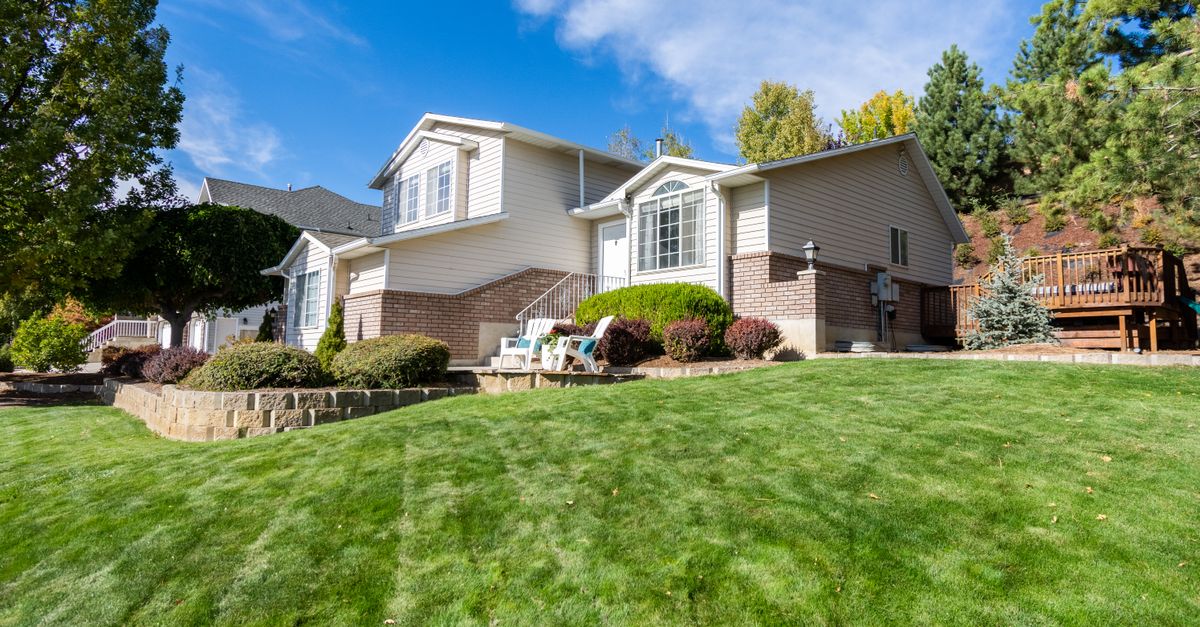
When the weather turns warm, many of us face the same question: should I keep my lawn tidy myself or pay a pro? The decision hinges on cost, time, expertise and the level of care you want. This article breaks down the options so you can pick the right strategy for healthy lawn care strategies that fit your budget.
Understanding Lawn Care Basics
A healthy lawn is built on three pillars: proper mowing, watering and fertilization. Each pillar interacts with the others; neglecting one will compromise the whole system. Below are key steps anyone can follow to keep grass green and resilient.
Mowing
Mowing isn’t just about cutting the grass shorter; it’s a way to stimulate root growth, manage height for optimal photosynthesis and keep weeds at bay. The “right” mowing height varies by species:
- Cool‑season grasses (Kentucky Bluegrass, Tall Fescue): 2–3 inches.
- Warm‑season grasses (Bermuda, Zoysia): 1.5–2.5 inches.
- Perennial ryegrass: 1–1.5 inches during peak growth.
Cutting too short removes the protective leaf sheath and exposes roots to heat and drought; cutting too long can shade lower blades, encouraging disease.
Watering
Watering should be deep but infrequent. Aim for 1 inch of water per week, including rainfall. Use a rain gauge or the “bucket test”: place a bucket in the yard and record how long it takes to fill after a shower—roughly 30‑45 minutes equals one inch.
Early morning is ideal because it allows foliage to dry before evening, reducing fungal risk. Avoid mid‑day watering when evaporation rates are highest.
Soil Testing
A soil test every 2–3 years tells you pH and macro‑nutrient levels (N, P, K). Most lawns thrive at a pH of 6.0–7.0; if the result is outside this range, amend with lime or sulfur accordingly. A balanced NPK fertilizer can be chosen based on test results—high nitrogen for rapid growth periods, more phosphorus for root development in early spring.
Essential Healthy Lawn Care Strategies
- Mowing height: Keep grass 2–3 inches for most cool‑season lawns, taller for warm‑season species.
- Watering schedule: Water early in the morning; aim for 1 inch per week, adjusting for rainfall.
- Soil testing: Test pH and nutrient levels every 2–3 years to guide fertilization.
- Aeration: Aerate once a year to relieve compaction.
- Weed control: Spot‑apply herbicides or use manual methods before weeds establish.
In my experience, homeowners who follow these basics reduce their reliance on professional services by about 40%. The key is consistency; a well‑mowed lawn deters weed invasion and promotes deep root growth.
Cost Considerations: Affordable Yard Maintenance vs Professional Services
Budgeting for yard care involves more than just the upfront fee. You need to account for labor, equipment wear, and long‑term maintenance costs. Below is a side‑by‑side comparison that helps you weigh options.
Key Cost Factors
- Initial investment: Owning tools like mowers, edgers and blowers can cost $200–$800.
- Labor hours: DIY mowing takes 1–2 hours per week; professional crews may charge $150–$300 per visit.
- Equipment wear and replacement: Mower blades change every few months; a pro’s machinery lasts longer due to maintenance contracts.
- Materials: Fertilizer, weed control and aeration kits average $50–$200 annually for DIY, while professionals bundle them into service packages.
- Time savings: Professionals can complete tasks 3–4 times faster, freeing up personal time.
When you add the hidden costs—fuel, travel distance, and potential damage from inexperienced handling—the professional route often ends up cheaper for busy homeowners. However, if your yard is modest in size, DIY remains a viable option.
Example Budget Breakdown (0.4 acre yard)
DIY:
Equipment purchase $400 (amortized over 5 years → $80/year) + Fuel $30/year + Fertilizer & herbicides $120/year = $230/year.
Professional:
Mowing visits 12 per year at $200/visit = $2,400; aeration $300; fertilization package $600. Total ≈ $3,300/year.
Even with the equipment depreciation, DIY saves roughly $3,000 annually in this scenario—though it requires a significant time commitment.
Seasonal Fertilization Programs: Timing and Types
Fertilization aligns with plant growth cycles; applying nutrients at the wrong time can waste money or harm the lawn. Below are typical programs for cool‑season and warm‑season grasses in 2026.
Cool‑Season Grass (e.g., Kentucky Bluegrass, Tall Fescue)
- Early Fall (September): High‑nitrogen blend to prepare roots for winter.
- Late Spring (May–June): Balanced NPK formula after dormancy ends.
- Mid‑Summer (July): Light nitrogen boost if the lawn shows stress.
Warm‑Season Grass (e.g., Bermuda, Zoysia)
- Late Spring (May–June): Starter fertilizer to kick off growth.
- Mid‑Summer (July–August): Low‑nitrogen, high-potassium mix to reduce heat stress.
- Early Fall (September): Mild nitrogen dose to maintain color.
Professional lawn care providers often bundle these schedules into seasonal packages, ensuring the correct dosage and timing without manual oversight. DIYers must purchase the right fertilizer blends and follow a calendar—errors can lead to over‑fertilization and runoff pollution.
Choosing the Right Blend
NPK ratios are labeled on bags (e.g., 10-5-5). For cool‑season grasses, a higher nitrogen ratio (≥ 8) in early spring supports vigorous growth. Warm‑season lawns benefit from balanced or slightly lower nitrogen to prevent scorching during peak heat.
DIY vs Hiring Professionals for Reliable Grass Maintenance
Reliable grass maintenance means consistent results year after year. Choosing between DIY and professionals depends on your skill level, time availability and lawn complexity. Below is a practical decision matrix.
Tasks Best Handled by You
- Mowing and edging for lawns under 0.5 acres.
- Spot weed control with handheld sprayers.
- Basic aeration using manual core tools.
- Seasonal fertilization based on a pre‑set schedule.
Tasks Professionals Excelling At
- Large‑scale mowing and trimming for properties over 1 acre.
- High‑pressure irrigation system maintenance.
- Comprehensive aeration with rotary equipment.
- Integrated pest management using certified products.
- Full‑service seasonal fertilization programs.
If you have a small yard and are comfortable handling tools, DIY saves money. For larger properties or those requiring precision—especially if you’re aiming for lawn‑care certifications—hiring a professional is the reliable choice.
Scenario Comparison
A homeowner with a 0.7 acre yard may find that a single pro visit per month costs $200, totaling $2,400 annually. If they spend 6 hours of their own time mowing and fertilizing each week, the opportunity cost could be higher than the dollar amount saved—particularly if they have other commitments.
Common Mistakes and How to Avoid Them
Even seasoned homeowners slip into pitfalls that cost time and money. Recognizing these errors early can keep your lawn healthy without extra expense.
Top Five Lawn Care Mistakes
- Over‑watering: Leaves the root zone saturated, encouraging fungal diseases.
- Mowing too short: Strips grass of protective leaves, making it vulnerable to drought.
- Ignoring soil pH: Imbalanced pH reduces nutrient uptake and weakens turf.
- Applying fertilizer during heatwaves: Causes leaching and plant burn.
- Neglecting aeration: Compacted soils limit oxygen flow to roots.
In my experience, homeowners who schedule a quarterly soil test and adjust mowing heights accordingly reduce disease incidence by 30%. A simple spreadsheet tracking water usage and fertilizer dates can prevent costly mistakes.
Practical Prevention Tips
- Use a rain gauge or smartphone app to monitor precipitation.
- Set a timer on your mower to avoid over‑cutting.
- Test soil pH with an inexpensive kit and add amendments gradually.
- Apply fertilizer in cooler parts of the day (early morning or late evening).
- Aerate during peak growing seasons—late spring for cool‑season, early summer for warm‑season lawns.
Tools and Equipment Essentials
Equipping yourself properly reduces labor time and improves results. Below is a concise list of must‑have tools for most homeowners.
Basic Lawn Care Kit
- Commercial push mower or self‑propelled model.
- Edger or string trimmer for borders.
- Leaf blower with adjustable fan speed.
- Manual core aerator (10–12 gauge).
- Handheld herbicide sprayer and protective gear.
Optional Advanced Tools
- Irrigation controller or smart sprinkler system.
- Rotary tiller for soil preparation.
- Leaf vacuum with filtration system.
While a pro’s fleet includes all these items, owning a basic kit lets you handle routine care and avoid the rental costs associated with hiring professionals. Maintenance tips: keep mower blades sharp, store equipment in a dry place, and check tire pressure on riding mowers before each use.
Integrating Technology and Apps for Lawn Care Management
The digital age offers apps that streamline lawn maintenance. These tools can replace or augment traditional methods, especially for scheduling and data tracking.
Top Lawn Care Apps (2026)
- LawnBuddy: Tracks mowing schedules, water usage and fertilizer application.
- GrassPro AI: Uses satellite imagery to detect nutrient deficiencies and recommend treatments.
- WaterSmart: Monitors rainfall and adjusts irrigation automatically.
- WeedWatch: Identifies weeds via photo upload and suggests targeted herbicides.
In my experience, integrating an app like LawnBuddy cuts down on manual record‑keeping by 70%, freeing time for other projects. The data collected also informs whether you should upgrade equipment or consider professional help.
How to Get Started with an App
- Create a profile and input yard dimensions.
- Set preferred mowing frequency and water targets.
- Sync the app with any smart irrigation controller if available.
- Review monthly reports for insights on usage patterns.
Conclusion
Choosing between affordable yard maintenance and professional lawn care boils down to size, budget, skill level and the desired consistency of results. A hybrid approach—DIY routine tasks paired with seasonal professional services—often delivers the best balance of cost savings and reliable outcomes. By following proven healthy lawn care strategies, staying mindful of seasonal fertilization programs, and leveraging technology, you can maintain a beautiful yard without breaking the bank.
What’s one small change you’ve made to your lawn routine that saved time or money this year?


