
Effective Lawn Care for Apartments: Green, Affordable, and Drought‑Resistant Solutions
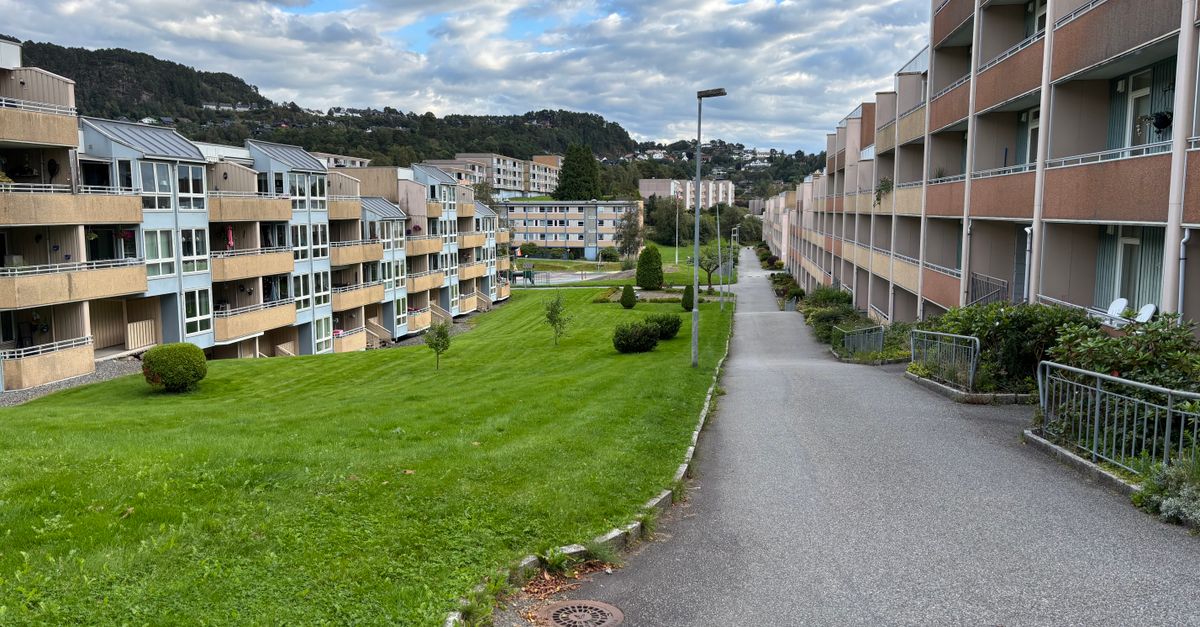
Apartment complexes face a unique set of challenges when it comes to outdoor green spaces. Limited roof or ground area, strict building codes, tight budgets, and the need to keep maintenance costs low all converge into a puzzle that many property managers struggle to solve. In this article I break down how to create sustainable, budget‑friendly lawns that thrive even in drought conditions.
Understanding Apartment Lawn Constraints
The first thing you must do is map out the physical and regulatory limits of your site. Roof‑top gardens, shared courtyards, and small balconies each have different load capacities, irrigation restrictions, and zoning requirements. Knowing these boundaries upfront saves time—and money—when you start selecting materials.
For example, a typical residential roof can support only 50–70 pounds per square foot of additional weight before structural reinforcement is required. Using lightweight, aerated soil mixes or container beds keeps the load well within safe limits while still providing a lush appearance. In addition to load, many municipalities impose strict irrigation permits that cap weekly water usage; these caps must be factored into your design early on.
Why Traditional Lawn Care Falls Short in High‑Rise Settings
Conventional turf maintenance relies on heavy watering, chemical fertilization, and frequent mowing—all of which are costly or even prohibited on many apartment properties. The high water bills and compliance headaches make the standard approach unsustainable.
Beyond costs, large mowers generate noise that can disturb residents during early morning or late‑night hours, a factor often overlooked in traditional designs. Building codes may also restrict the use of certain herbicides near residential units, limiting the chemical options available for weed control.
Common Limitations for Apartment Lawns
- Restricted irrigation volumes due to municipal caps
- Weight limits that rule out heavy soil beds
- Lack of access to large equipment for mowing or fertilizing
- Building code restrictions on pesticide use around residents’ homes
- Seasonal temperature swings that stress conventional grass varieties
Once you’ve catalogued these constraints, you can start evaluating green lawn care solutions that fit.
Selecting the Right Green Lawn Care Solutions
You have three main categories to consider: low‑maintenance natural turf, xeriscape (drought‑resistant) design, and synthetic alternatives. Each has its own trade‑offs in terms of upfront cost, long‑term maintenance, and environmental impact.
Low‑maintenance natural turf typically uses grasses like zoysia or buffalo grass that tolerate light foot traffic and require minimal mowing. These species also perform well under partial shade, making them ideal for courtyard corners where trees provide shelter. Xeriscape focuses on native perennials, succulents, and groundcovers that store water in their tissues; they are especially resilient to heat and drought. Synthetic lawns eliminate watering altogether but can generate higher initial costs and may feel less natural.
Key Features to Evaluate
- Water Efficiency: How much water does the system use per square foot?
- Load Capacity: Can the roof or ground support the chosen medium?
- Maintenance Frequency: Does it require mowing, fertilizing, or pest control?
- Lifespan of Materials: How long do synthetic fibers last before replacement is needed?
- Lifecycle Cost: What is the total cost of ownership over 5‑10 years?
- Aesthetic Flexibility: Can you customize plant palettes to match your building’s branding?
- Shade Tolerance: Will the chosen species thrive under existing tree canopies or artificial shade structures?
When you weigh these factors, you’ll be able to pinpoint which solution aligns with both budget and sustainability goals.
Cost Considerations and Affordable Lawn Services
Many property managers assume that eco‑friendly lawns automatically mean higher costs. The reality is that strategic planning can keep expenses in check while delivering superior results.
Typical Cost Breakdown for Apartment Lawn Projects
- Initial Installation: $50–$120 per square foot depending on soil depth and plant selection.
- Water Savings: Up to 40% reduction in water bills with smart irrigation.
- Maintenance Labor: 30–60% lower labor hours than conventional turf.
- Pesticide & Fertilizer Savings: Zero or minimal chemical inputs.
- Energy Use: Reduced energy for pumping and mowing.
For a typical 1,000 square foot courtyard, the initial outlay might be $70–$100 per square foot, but annual operating costs can drop from $12,000 to $7,200 in water alone. When you factor in these long‑term savings, the upfront investment often pays off within 2–3 years.
Implementing Eco‑Friendly Lawn Maintenance Practices
A sustainable lawn is more than just a green patch; it’s an ecosystem that requires thoughtful stewardship. Below are proven practices that keep your space healthy and compliant with environmental regulations.
Water Management Strategies for Drought‑Resistant Care
Smart irrigation isn’t just a buzzword—it’s a necessity for apartment lawns where water is at a premium.
Smart Irrigation Tips
- Use soil moisture sensors to trigger watering only when needed.
- Install drip lines instead of overhead sprinklers to reduce evaporation.
- Schedule irrigation during the coolest part of the day (early morning).
- Employ rainwater harvesting systems for supplemental supply.
- Incorporate mulch layers to lock in moisture and suppress weeds.
- Integrate weather‑based controllers that adjust schedules based on forecasted rainfall.
These techniques collectively cut water usage by 30–50% compared to conventional systems. For example, a drip network calibrated at 0.5 inches per week can maintain healthy turf while using less than half the water of a standard sprinkler system.
Choosing Sustainable Materials and Products
The choice of plants, soil amendments, and maintenance tools can dramatically affect the ecological footprint of your lawn.
- Native grasses that thrive locally require fewer inputs.
- Organic composted mulch improves soil health without synthetic chemicals.
- Use Bamboo or Reed mats as natural weed barriers.
- Select LED lighting for nighttime visibility if needed, which uses far less energy than halogen fixtures.
- Opt for biodegradable lawn tools that reduce plastic waste.
- Consider permeable pavers around seating areas to allow water infiltration and reduce runoff.
These choices not only lower maintenance costs but also enhance biodiversity and resident satisfaction. For instance, a mulch mix of shredded leaves and bark can provide a habitat for beneficial insects while keeping the soil moist.
Common Mistakes to Avoid in Apartment Lawn Projects
Even the best plans can falter if you overlook these pitfalls. Below is a concise guide to prevent costly errors.
Maintenance Pitfalls That Cost Money and Time
In my experience, many managers jump into large projects without fully understanding the regulatory landscape, leading to fines or redesigns later on.
Top 5 Maintenance Errors
- Overwatering: Causes root rot and invites pests.
- Neglecting soil aeration, which leads to compaction.
- Using synthetic fertilizers that leach into groundwater.
- Ignoring roof drainage systems that can overflow during rain events.
- Failing to audit plant health quarterly for early issue detection.
- Installing irrigation without a rain‑water monitoring system, leading to over‑irrigation when rainfall is sufficient.
A proactive approach keeps both the budget and residents happy. For example, installing a simple rain gauge can alert staff when natural precipitation meets or exceeds the irrigation schedule.
Case Study: A Mid‑Size Apartment Complex Transformation
I recently helped a 120‑unit complex replace its aging lawn with a drought‑resistant xeriscape. The project involved:
- Replacing conventional grass with native sedum beds and ornamental grasses.
- Installing an automated drip irrigation system linked to moisture sensors.
- Adding composted mulch and bamboo weed barriers.
The result was a 35% reduction in water usage, $18,000 saved on annual maintenance costs, and a noticeable boost in tenant satisfaction scores. The implementation took three phases: assessment (2 weeks), construction (6 weeks), and post‑installation monitoring (ongoing). Each phase included resident communication to ensure transparency and gather feedback.
Key takeaway: A well‑planned xeriscape can cut both water bills and labor hours while meeting aesthetic expectations.In my experience, the first step to a successful lawn is aligning the design with the building’s operational budget and environmental goals. Once that alignment is clear, the rest of the project follows smoothly.
What specific irrigation challenges have you faced in apartment lawn projects, and how did you address them?


