
Choosing Reliable Local Yard Cleanup Experts for Long‑Term Lawn Health
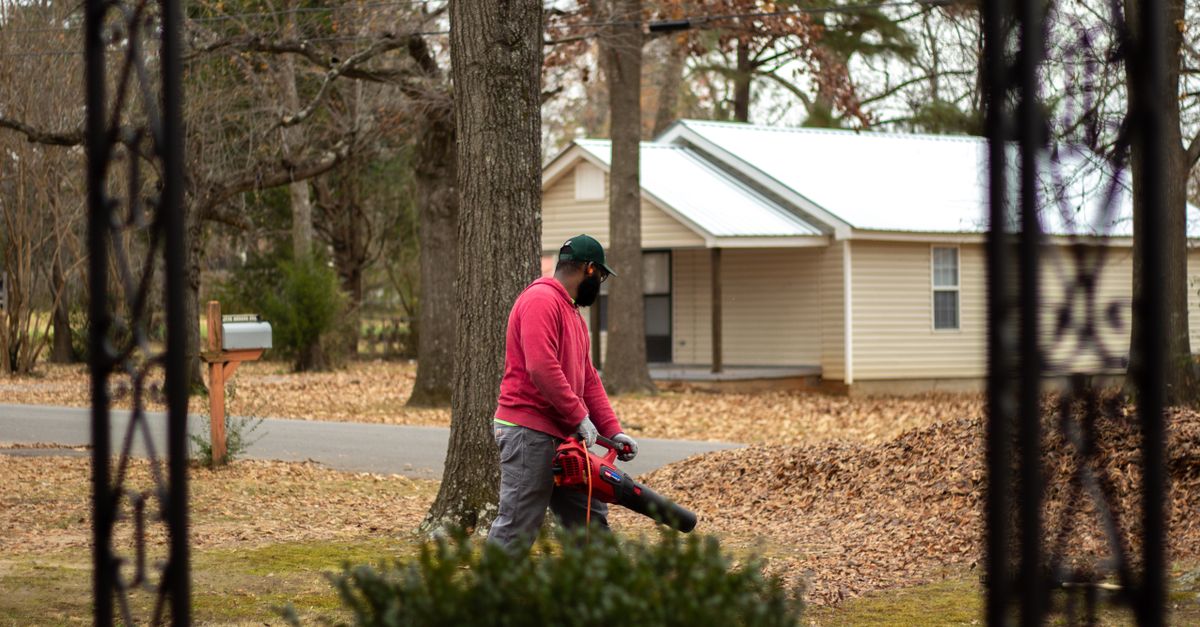
Keeping a tidy yard goes beyond curb appeal; it creates a healthy ecosystem, saves water, and protects your investment. I’ve seen neighborhoods where lawn care falls to unqualified contractors or DIY routines that waste time and resources. If you’re looking for local yard cleanup experts, reliable grass maintenance, a consistent weekly lawn service, or water‑efficient lawn solutions, this review will give you concrete criteria to make the right choice.
Understanding the Scope of Yard Cleanup Services
Yard cleanup covers more than leaf removal. It includes debris clearing, mulching, pruning, and preparing soil for planting or new grass rolls. A professional service should also evaluate drainage patterns, spot invasive species, and suggest long‑term maintenance plans. Confirm that a provider offers a full suite of services rather than just “weed pulling.”
Many experts perform a quick soil compaction test with a hand probe or penetrometer to determine if your turf can absorb water effectively. They also check moisture levels in shrubs using a meter, preventing costly replacements later.
Key Tasks Covered by Comprehensive Services
- Debris removal: Leaves, branches, and trash.
- Mulch application: Moisture retention and weed suppression.
- Pruning of shrubs and trees to promote healthy growth.
- Soil aeration and top‑dressing for optimal grass health.
- Installation of drip irrigation or smart watering systems.
Criteria for Selecting Local Yard Cleanup Experts
When hunting for a local provider, I focus on three core attributes: expertise, reliability, and environmental stewardship. These factors directly impact the quality of grass maintenance and the longevity of water‑efficient solutions.
Expertise & Credentials
In my experience, companies that invest in certified horticulturists or accredited lawn care technicians tend to deliver better results.Ask about certifications such as Certified Landscape Professional (CLP). Verify insurance coverage and liability protection—especially if they use power equipment on your property.
During an initial consultation, request a copy of their most recent state inspection report or a list of continuing education courses completed in the last year. This demonstrates ongoing commitment to industry standards and keeps them up‑to‑date with new eco‑friendly technologies.
Reliability & Consistency
A weekly lawn service demands punctuality. Look for providers that offer a fixed schedule, clear communication channels, and no‑show rates below 2%. Check online reviews specifically mentioning the consistency of their visits.
Ask whether they use a dedicated job ticketing system where you can view real‑time updates or receive SMS alerts if a technician is delayed. This transparency reduces surprises and ensures that your yard receives attention exactly when promised.
Eco‑Friendly Practices
Sustainable yard care is essential in 2026. Choose firms that use biodegradable mulches, organic fertilizers, and water‑saving irrigation techniques. Ask whether they employ a “no‑chemical” policy or offer integrated pest management plans.
A reputable company will also recycle leaf piles into mulch on-site or partner with local compost facilities, reducing landfill waste. Inquire if they use electric mowers or hybrid tractors to lower emissions and noise pollution during peak hours.
What Makes Grass Maintenance Reliable?
Reliable grass maintenance isn’t just mowing on cue; it’s proactive care that prevents problems before they arise. I’ve compared several local teams, and the most dependable ones share a clear maintenance protocol.
Proactive Soil Management
- Regular soil testing to adjust pH and nutrient levels.
- Aeration at least twice a year for dense turf.
- Over‑seed or top‑dress to fill bare spots.
A typical maintenance schedule might look like this: spring aeration, mid‑summer fertilization, fall overseeding, and winter leaf removal. Each step is timed with seasonal growth cycles so the lawn receives nutrients when it absorbs them most efficiently.
Integrated Pest & Disease Prevention
Good maintenance plans include routine inspections, early detection of blight or grub infestations, and targeted treatments. Avoid firms that rely on blanket pesticide applications—this can harm beneficial insects and degrade soil health.
- Use a handheld microscope to spot fungal spores before they spread.
- Apply organic neem oil as a preventative barrier rather than reacting after damage.
Common Red Flags in Grass Maintenance Services
- Inconsistent mowing height or frequency.
- Lack of a documented maintenance schedule.
- No follow‑up after initial service to assess results.
- Use of non‑local, generic equipment without customization.
Weekly Lawn Service Models: Pros & Cons
A weekly schedule offers predictability but can be costly if not managed efficiently. Below are practical considerations that help you weigh the benefits against potential drawbacks.
Pros of Weekly Visits
- Consistent appearance: Your yard looks neat every week.
- Early problem detection: Issues like weed invasion or pest activity are caught quickly.
- Water‑efficient scheduling: Professionals can time irrigation for optimal moisture without overwatering.
Cons of Weekly Visits
- Higher cumulative cost: More frequent visits increase monthly expenses.
- Potential overuse of equipment: Repeated mowing may wear out blades faster.
- Limited flexibility during holidays or weather disruptions.
Cost Breakdown for Typical Weekly Lawn Service
- Base mowing fee: $30–$50 per visit.
- Add‑on services (weed control, fertilization): $15–$25 each.
- Annual package discount: 10–15% off total cost.
When budgeting, compare the annual cost of a weekly service to a biweekly or monthly alternative. In many cases, the added consistency offsets the higher price by reducing emergency repairs.
For example, if a weekly package costs $1,200 per year and a biweekly plan is $900, the difference may be justified when factoring in the value of a pristine lawn that attracts buyers or provides a safe play area for children.
Water‑Efficient Lawn Solutions for Sustainable Yard Care
Water scarcity is a pressing issue in 2026, especially in semi‑arid regions. A modern yard cleanup expert should incorporate water‑efficient practices that reduce runoff and conserve resources while maintaining turf health.
Smart Irrigation Systems
- Drip irrigation: Delivers water directly to root zones.
- Soaker hoses: Ideal for lawn beds with uneven terrain.
- Integration with weather‑based controllers that adjust schedules automatically.
Many installers pair these systems with soil moisture sensors that feed data back to a smartphone app. The system can pause watering when recent rainfall is detected, saving up to 30% of water usage over a typical season.
Drought‑Tolerant Grass Varieties
Switching to native or low‑water species can slash irrigation needs by 30–50%. Look for hybrids like “Zoysia ‘Emerald’” or “Bermuda “Cali‑Gold”” that thrive with minimal water.
Mulch & Groundcover Alternatives
Replacing large lawn areas with mulch beds, rock gardens, or groundcovers reduces evaporation and eliminates the need for frequent watering. A good yard cleanup expert will suggest a balanced mix of grass and low‑maintenance landscapes.
Installation Checklist for Water Efficiency
- Survey existing irrigation layout.
- Select appropriate water‑saving devices.
- Test pressure and flow before full deployment.
- Educate homeowners on optimal watering times.
Adopting these techniques not only conserves water but also lowers utility bills and enhances your yard’s resilience against extreme weather.
Avoiding Common Mistakes in Yard Cleanup Contracts
Even the best providers can falter if contracts are vague. Here are mistakes to guard against when signing a service agreement.
Undefined Scope of Work
- Missing details on mowing frequency.
- No clear definition of “clean up” tasks (e.g., leaf removal, tree trimming).
- Lack of performance metrics or quality checkpoints.
Poor Communication Channels
Choose a team that offers direct contact with a project manager. Avoid firms that rely solely on email updates; real‑time communication via apps can prevent misunderstandings.
Ignoring Environmental Impact Clauses
Ensure the contract specifies eco‑friendly practices, such as using biodegradable mulch or organic fertilizers. If not included, negotiate to add a sustainability clause.
A sample clause might read: “The Contractor will use only certified organic products and will recycle all leaf piles for compost.” This protects you from accidental chemical exposure and guarantees responsible waste disposal.
How to Evaluate and Compare Local Yard Cleanup Experts
I’ve developed a simple evaluation matrix that I use before committing to a provider. It balances cost, service breadth, and environmental responsibility.
Evaluation Matrix Overview
- Cost Score (1–10): Competitive pricing relative to market averages.
- Service Breadth (1–10): Range of tasks covered.
- Reliability (1–10): On‑time performance and communication quality.
- Sustainability (1–10): Use of eco‑friendly materials and practices.
- Total Score: Sum of the four categories.
Applying the Matrix: A Quick Example
If Company A scores 8 on cost, 9 on service breadth, 7 on reliability, and 6 on sustainability, its total is 30. Compare that against Company B’s 7, 8, 9, and 8 for a total of 32—Company B would be the preferred choice even though it costs slightly more.
Weighting can also help if one factor matters more to you. For instance, assign double weight to sustainability if water conservation is your top priority; recalculate totals accordingly.
DIY vs Professional: When to Handle It Yourself
Some homeowners prefer a DIY approach to save money, but yard cleanup is labor‑intensive. Consider your time constraints and skill level before deciding.
Pros of DIY Yard Cleanup
- Full control over methods and materials.
- No ongoing service fees.
- Satisfaction from hands‑on work.
Cons of DIY Yard Cleanup
- Time investment can be high, especially for large yards.
- Risk of using improper chemicals or equipment.
- Lack of professional insight into soil health and irrigation design.
If you have a small yard, minimal debris, and a passion for gardening, DIY may suffice. For larger properties or those requiring specialized services like smart irrigation installation, hiring a local expert is often more efficient.
Final Checklist Before Signing With a Yard Cleanup Provider
- Ask for three recent references from clients with similar yard size.
- Verify insurance coverage and licensing status.
- Request a detailed contract that lists all services, schedules, and pricing.
- Confirm the provider’s environmental policies.
- Schedule an initial on‑site assessment before committing.
- Check if they offer a satisfaction guarantee or a trial period.
Adhering to this checklist will help you avoid costly surprises and ensure your yard remains healthy and water‑efficient year after year.
What is the most critical factor you consider when choosing a local yard cleanup expert?


